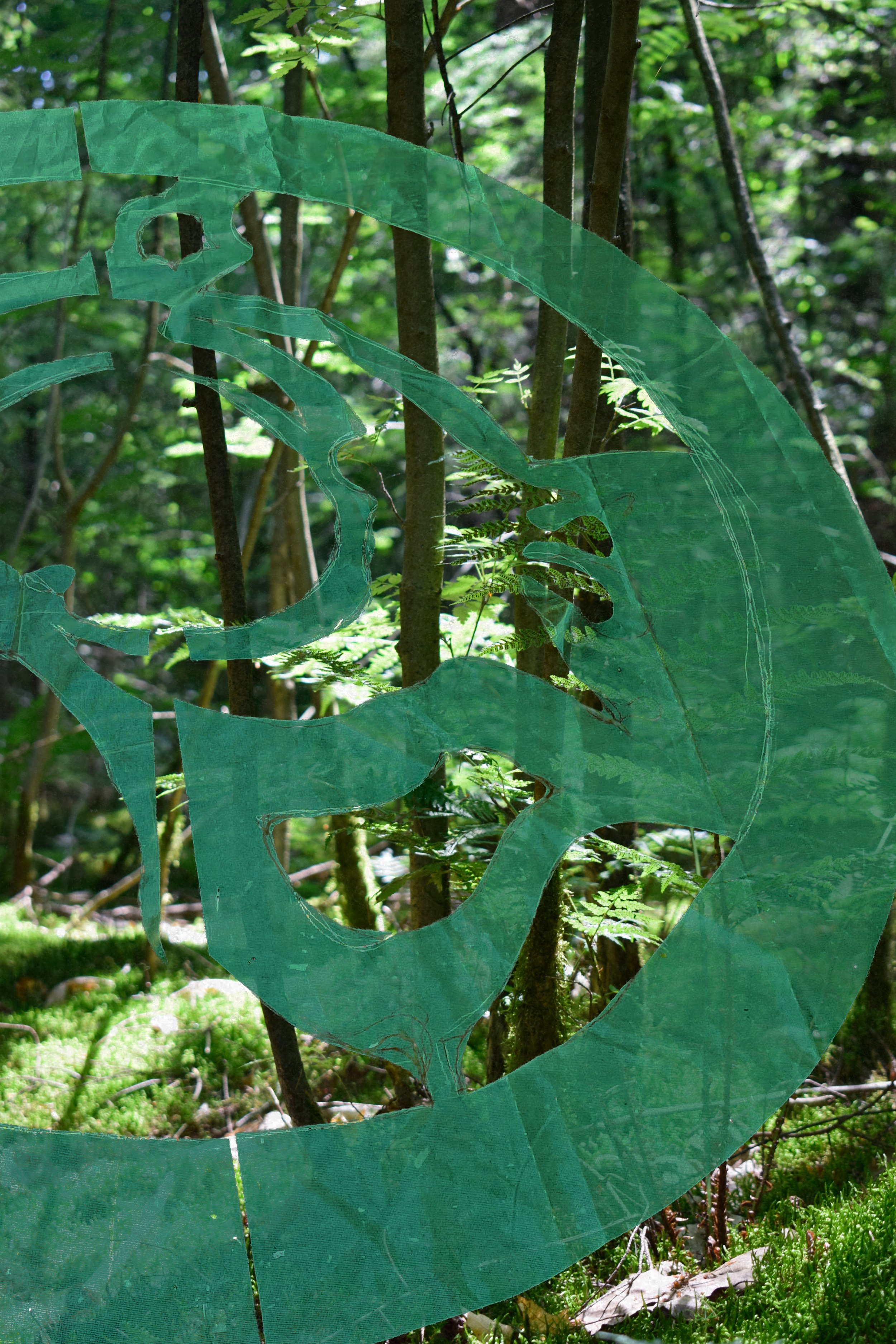
Tsuba
Inspired by The Hidden Life of Trees by Peter Wohlleben
The world’s oldest tree, Old Tjikko, faces growing threats from tourism, broken branches, trampled roots, and damaged lichens. Yet isolating it completely would cut the bond between people and nature.
Tsuba explores an alternative: a way to make invisible boundaries visible. It creates a respectful distance, inviting visitors to engage with care rather than exclusion. The boundary becomes an act of awareness, not a barrier.
(This first trial version was made using recycled banners.)
Geïnspireerd door The Hidden Life of Trees van Peter Wohlleben: Old Tjikko wordt bedreigd door toerisme, maar afsluiten verbreekt de band met de natuur. Tsuba maakt grenzen zichtbaar en zorgt voor een respectvolle afstand in plaats van uitsluiting.
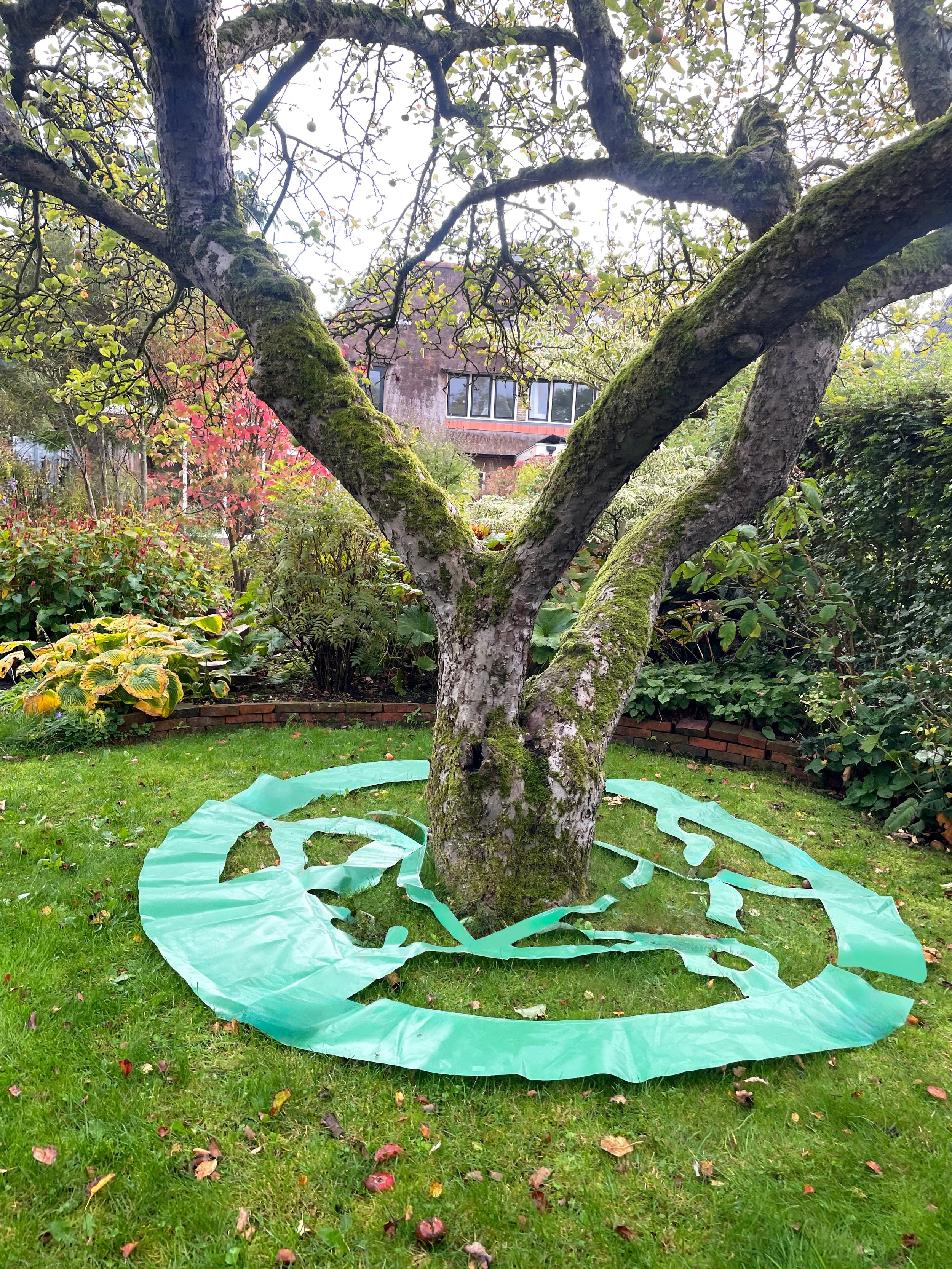
Tsuba
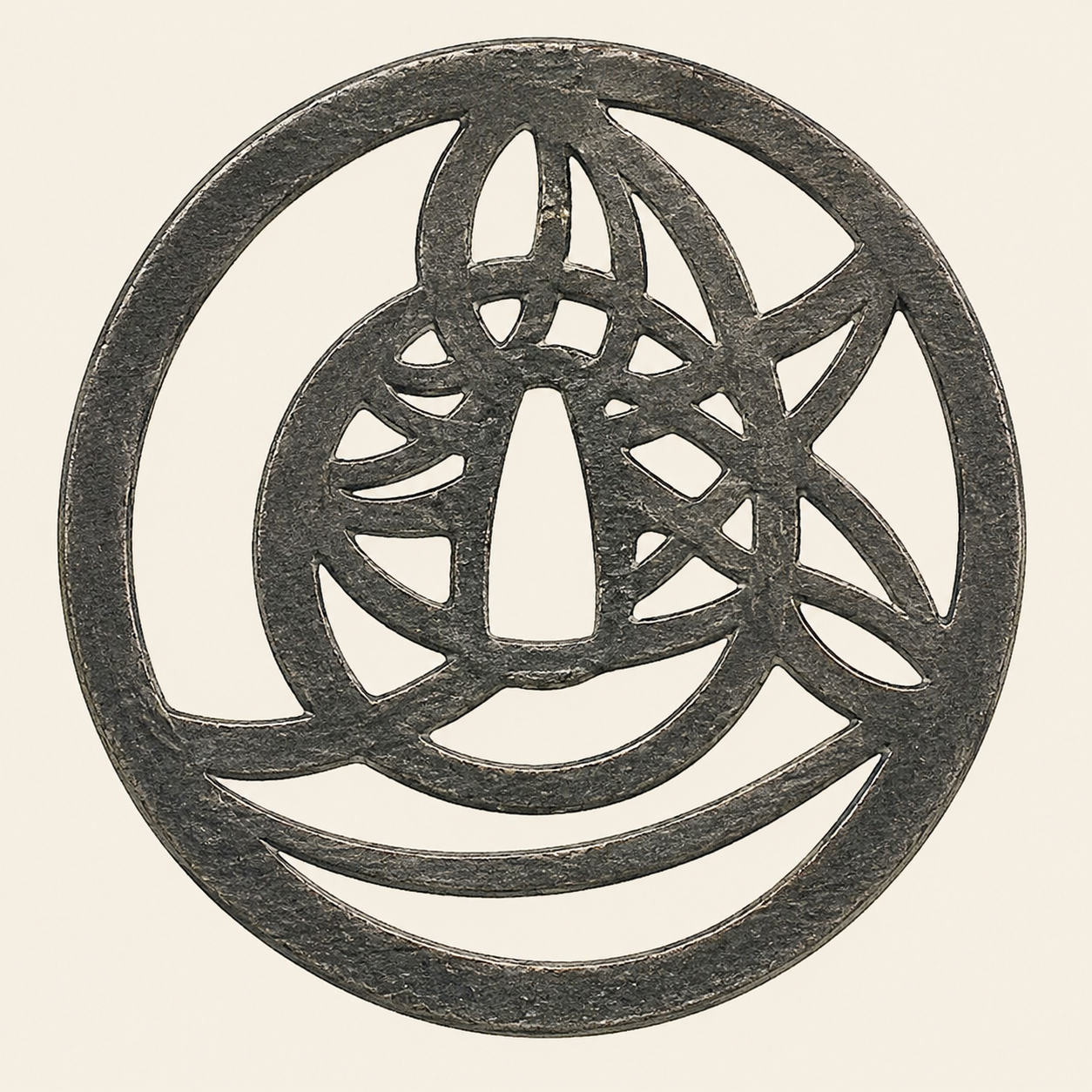
In Japanese swords, the tsuba is the hand guard; balancing, protecting, and preventing harm. Reimagined for nature, it becomes a symbol of gentle protection: a way to keep the natural world accessible while encouraging mindful interaction.
Geïnspireerd door de Japanse tsuba, de handbeschermer van een zwaard, wordt dit een symbool van zachte bescherming in de natuur: het maakt onzichtbare grenzen zichtbaar, zodat mensen weten wanneer ze zich in kwetsbaar terrein bevinden en met meer zorg kunnen bewegen.
Material
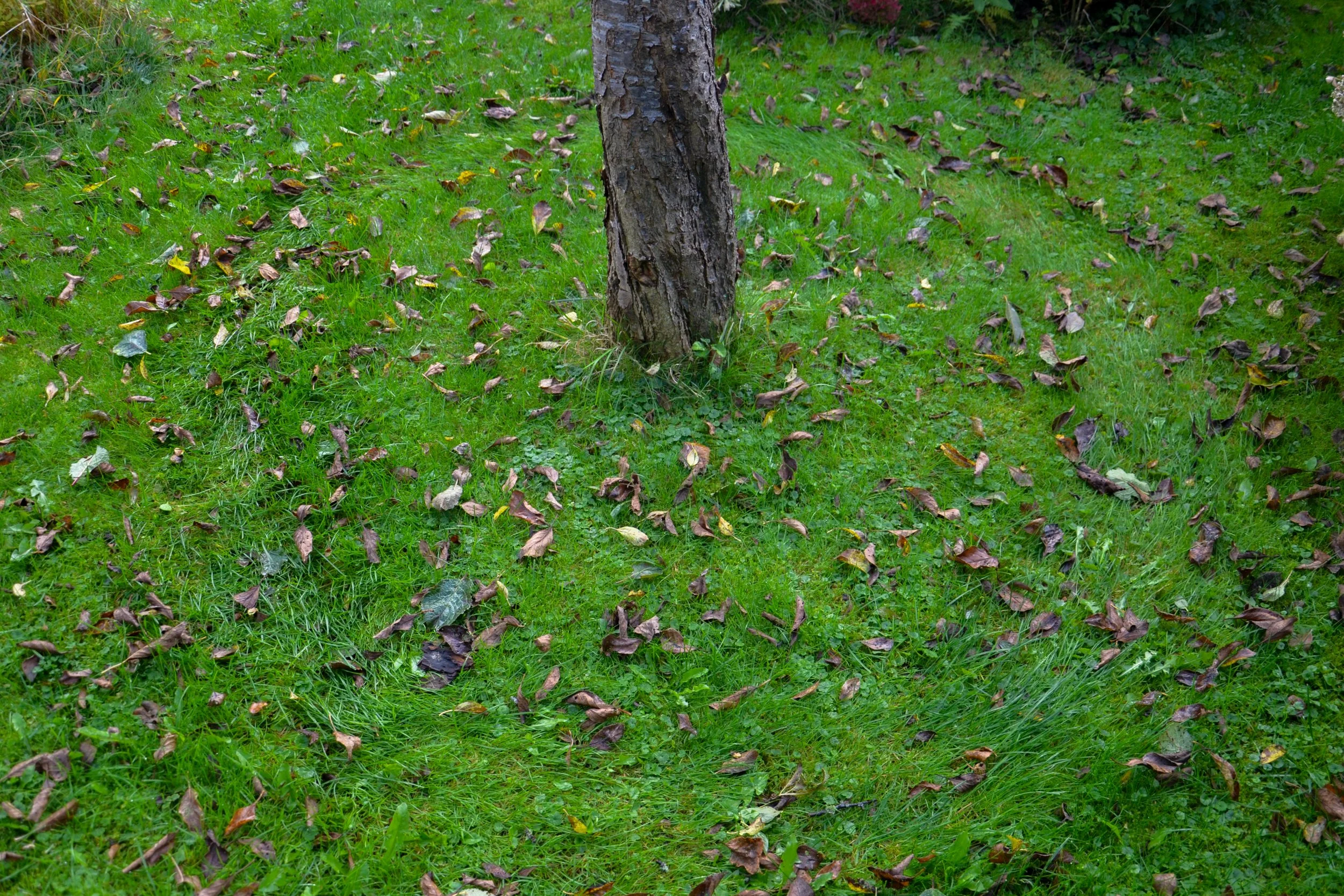
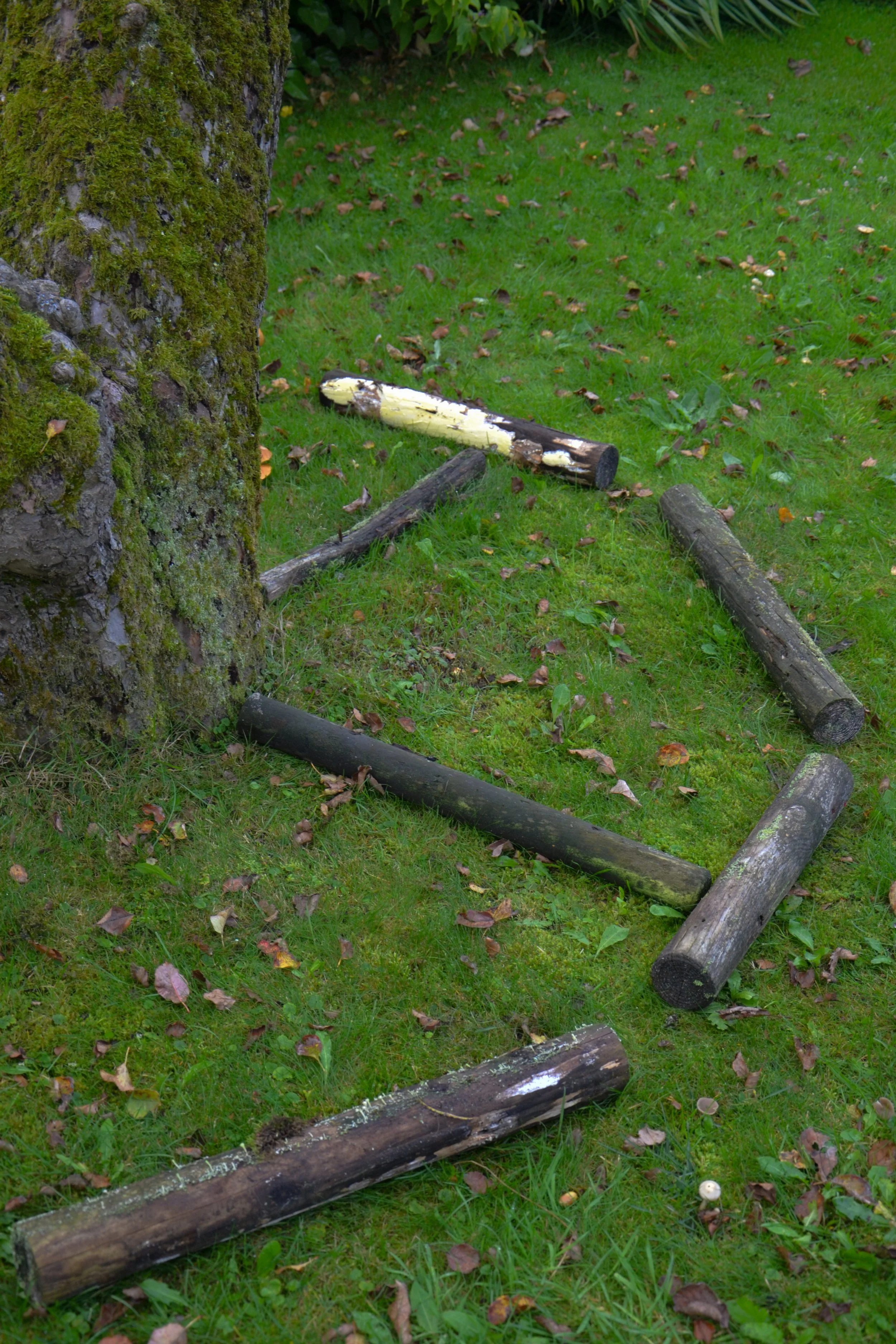
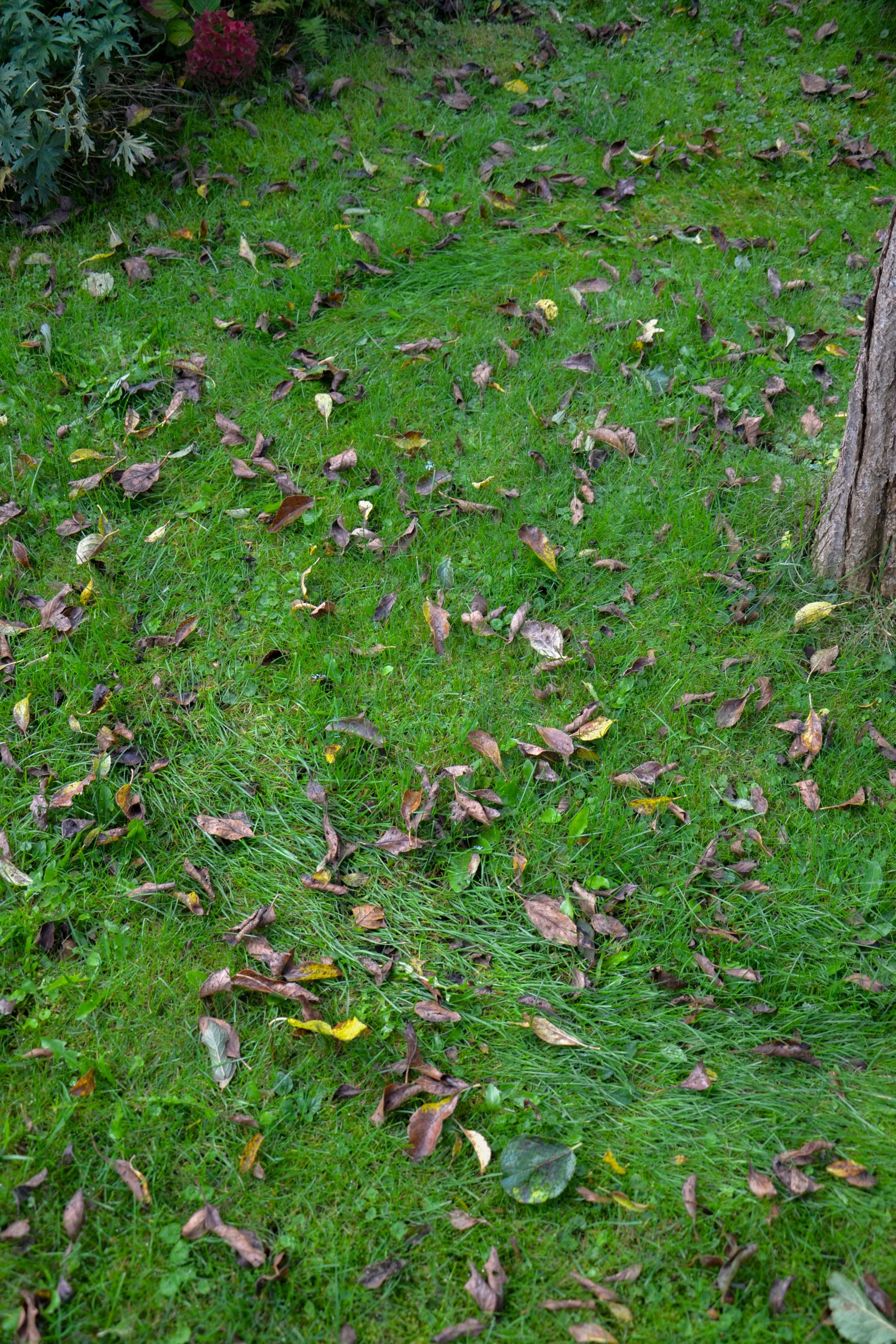
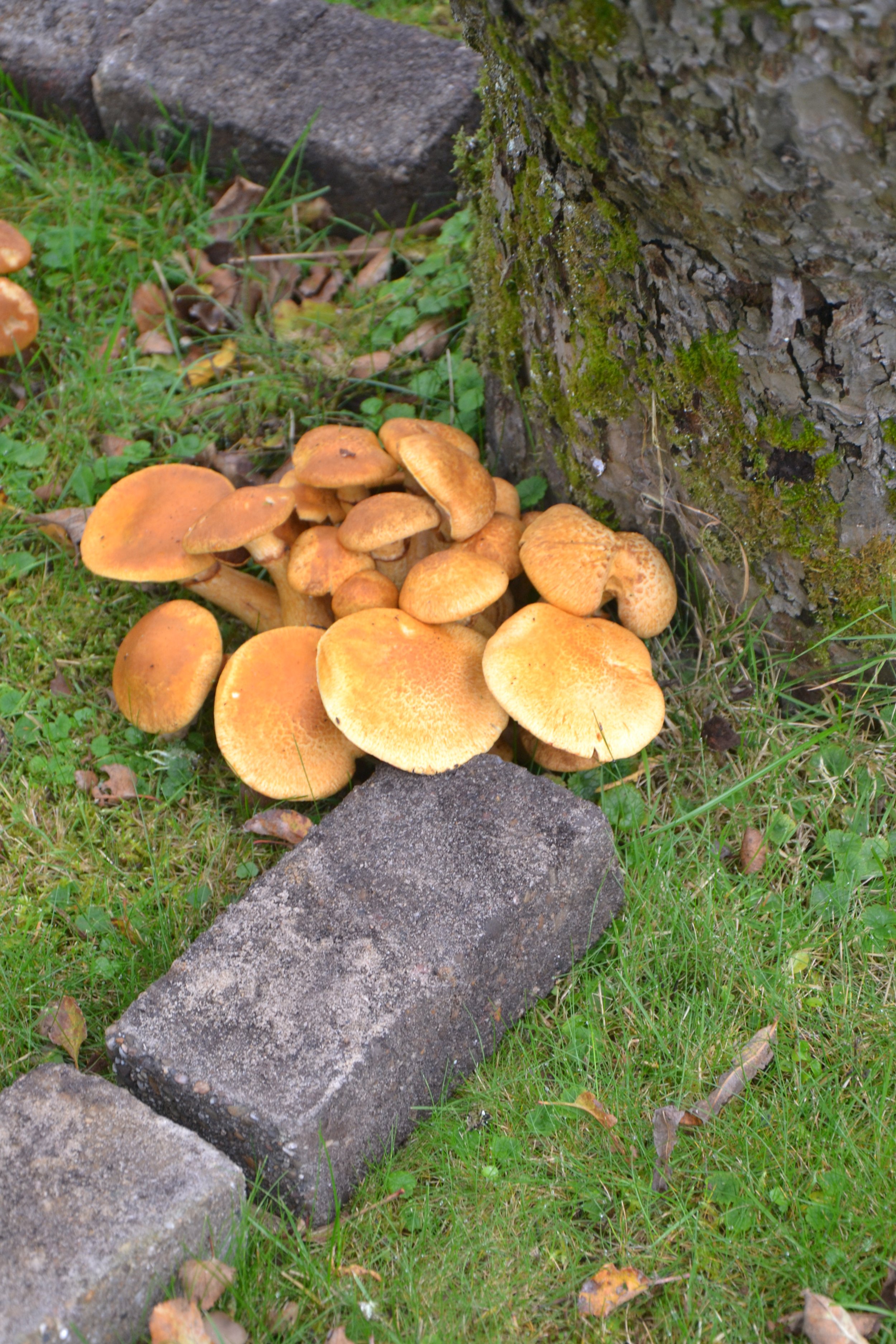
I also explored ways of creating tsuba using materials found within the landscape itself. By working with temporary and locally sourced materials, the protection could disappear naturally over time, allowing nature to decide when it was no longer needed. Because the materials already belonged to the environment, they could continue existing within its natural cycle of life.
Ik onderzocht manieren om tsuba te maken met materialen uit het landschap zelf. Omdat deze materialen al onderdeel waren van de omgeving, konden ze na verloop van tijd vanzelf terugkeren in de natuurlijke kringloop.
2025 - ongoing