Nature’s Monument
Dead wood is priceless, yet often misunderstood.
What seems like forest waste is, in truth, a living network. Inspired by Peter Wohlleben’s The Hidden Life of Trees, I discovered that fallen trees are not endings but beginnings.
Vital ecosystems where countless species find food, shelter, and renewal.
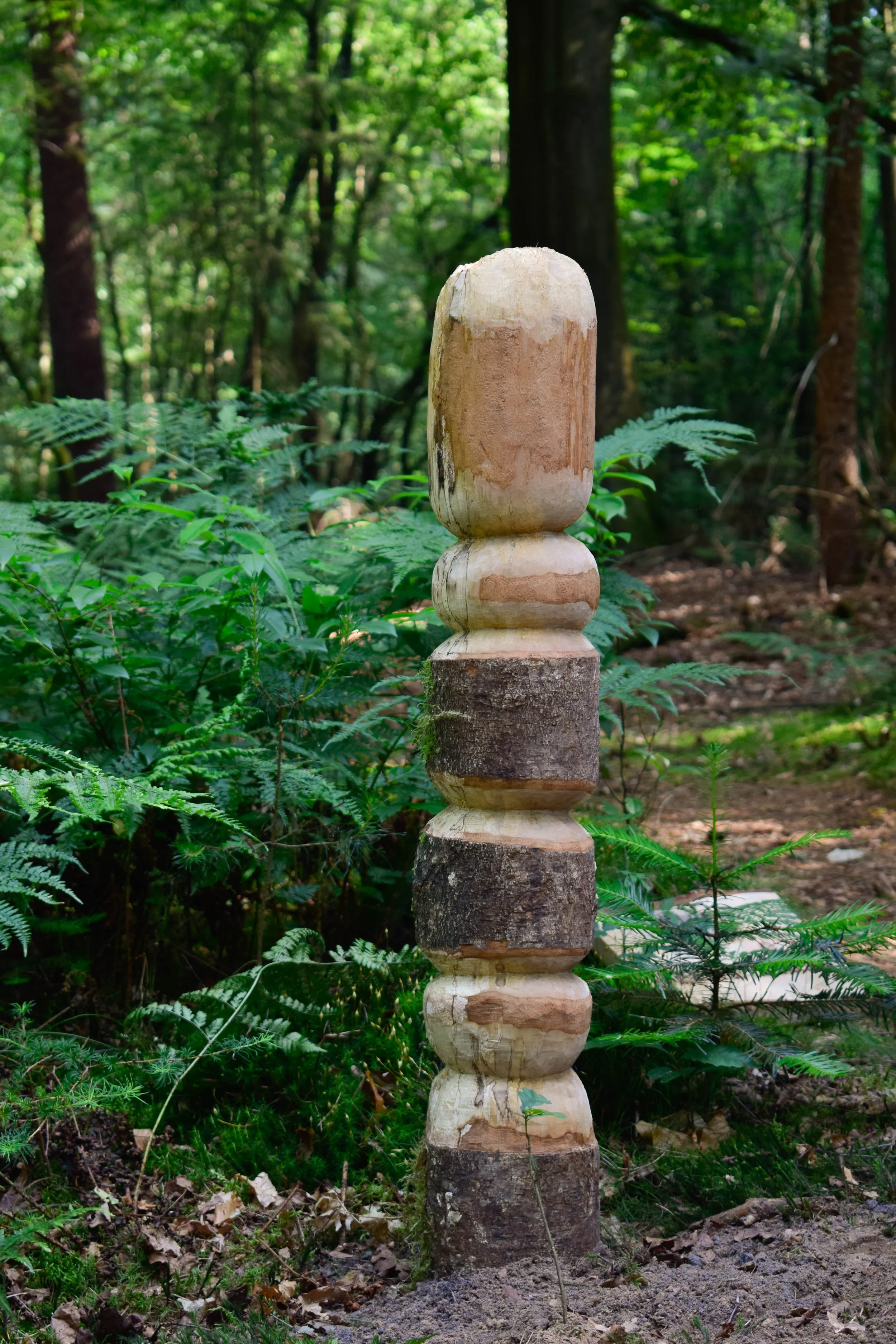
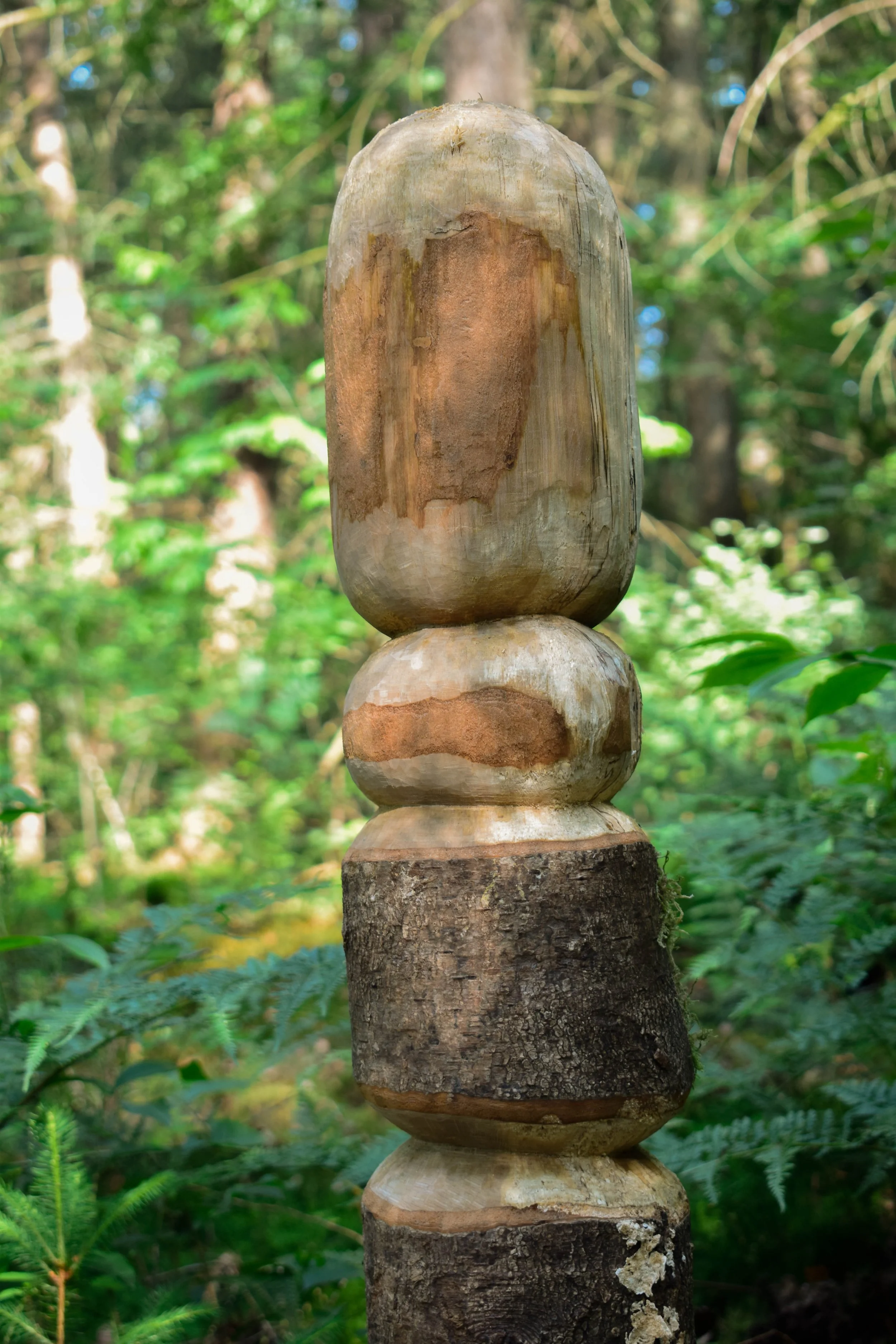
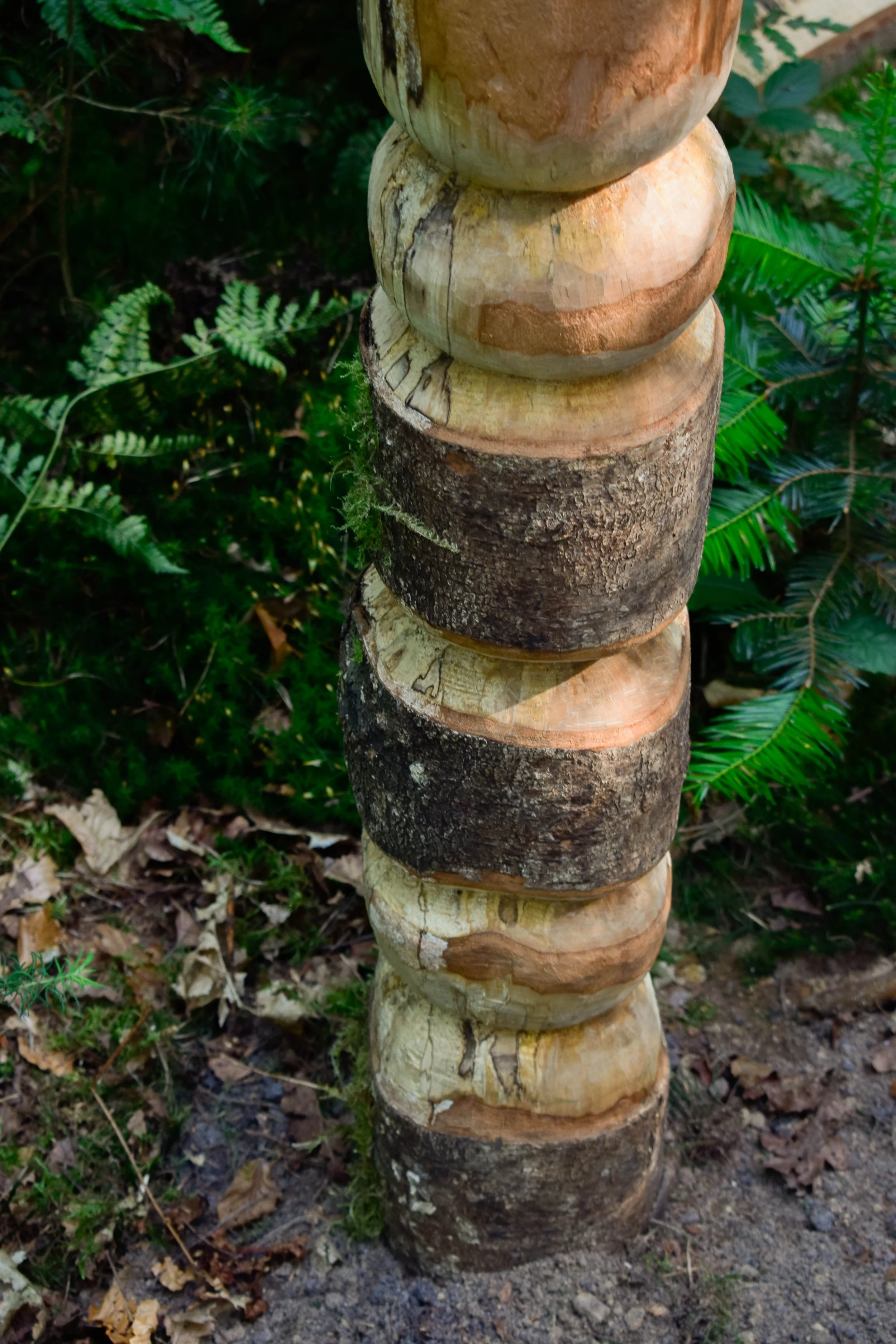
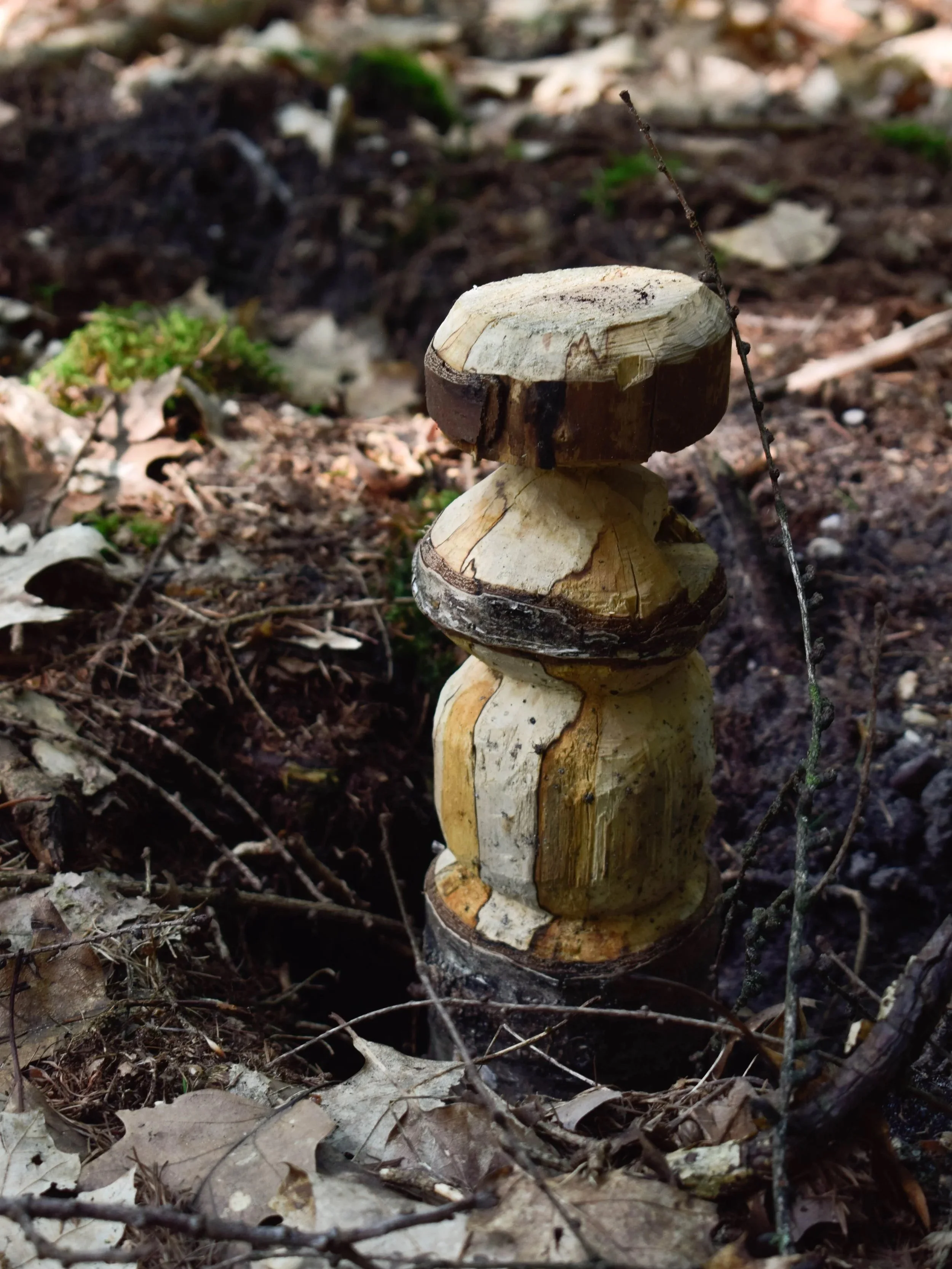
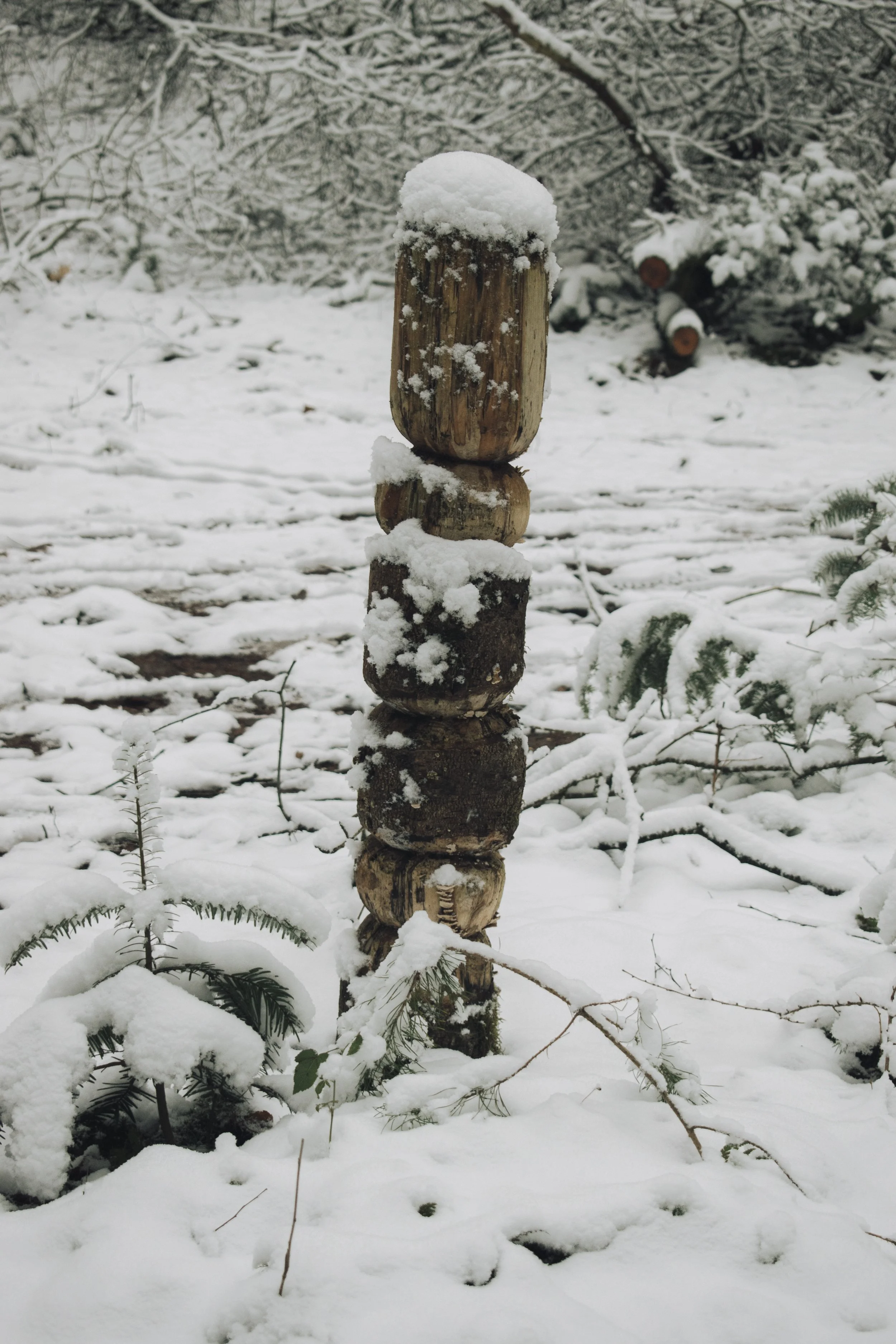
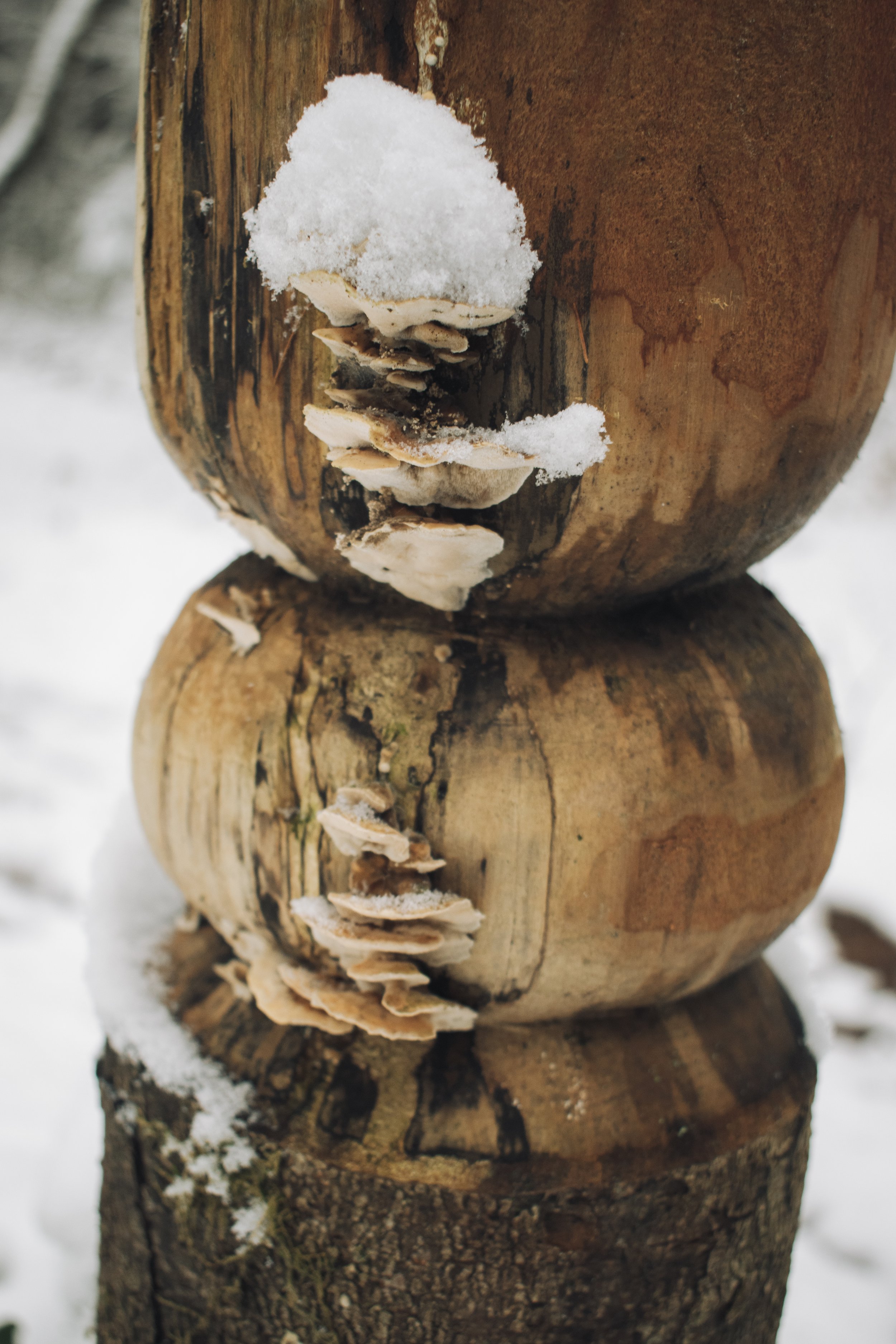
Dead wood deserves protection. Even more: we should honor it as sacred wood, an immortal source of life. In my work "Nature's Monument" I want to grant this biodiversity hotspot a monumental status.
Dood hout wordt vaak verkeerd begrepen, maar is een levend ecosysteem vol leven en hernieuwde groei. In Nature’s Monument krijgt deze biodiversiteit een monumentale status.
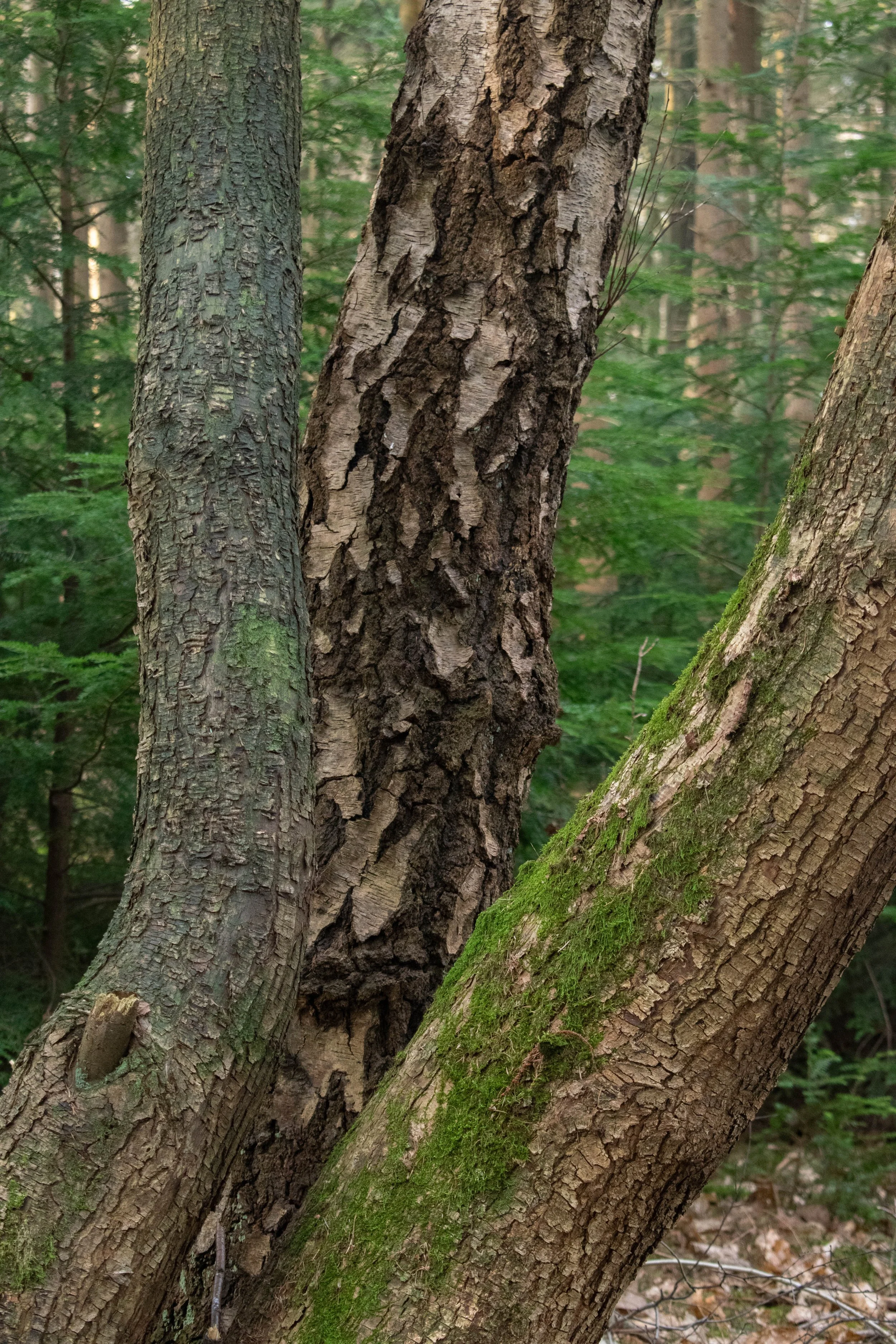

You’ve probably seen it happen before: a tree being cut down. Normally, you’d assume it’s dead, beyond saving. But recent research has shown that in some cases, such a tree is kept alive by its neighboring trees. Through an interconnected root system, they provide it with water and nutrients.
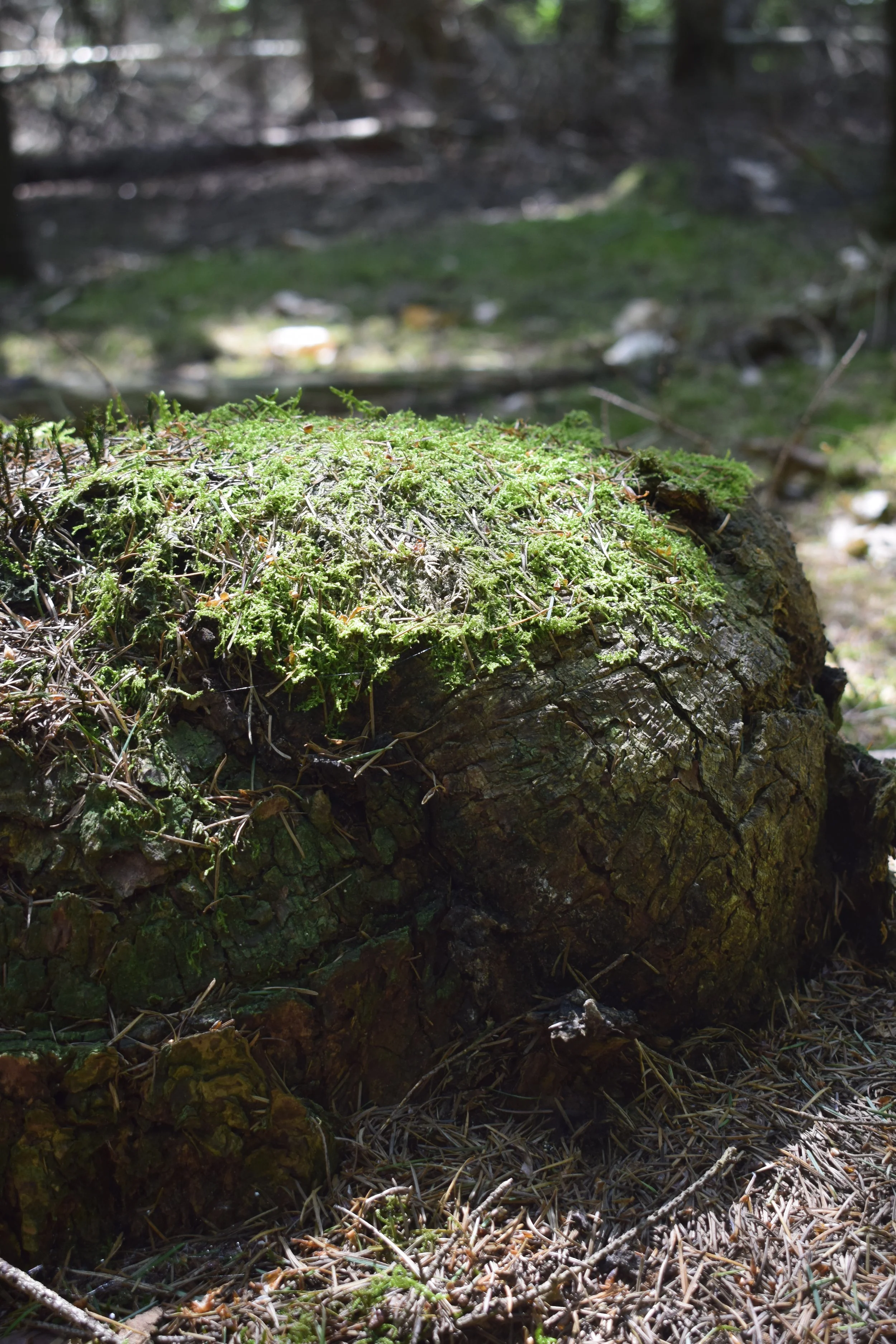
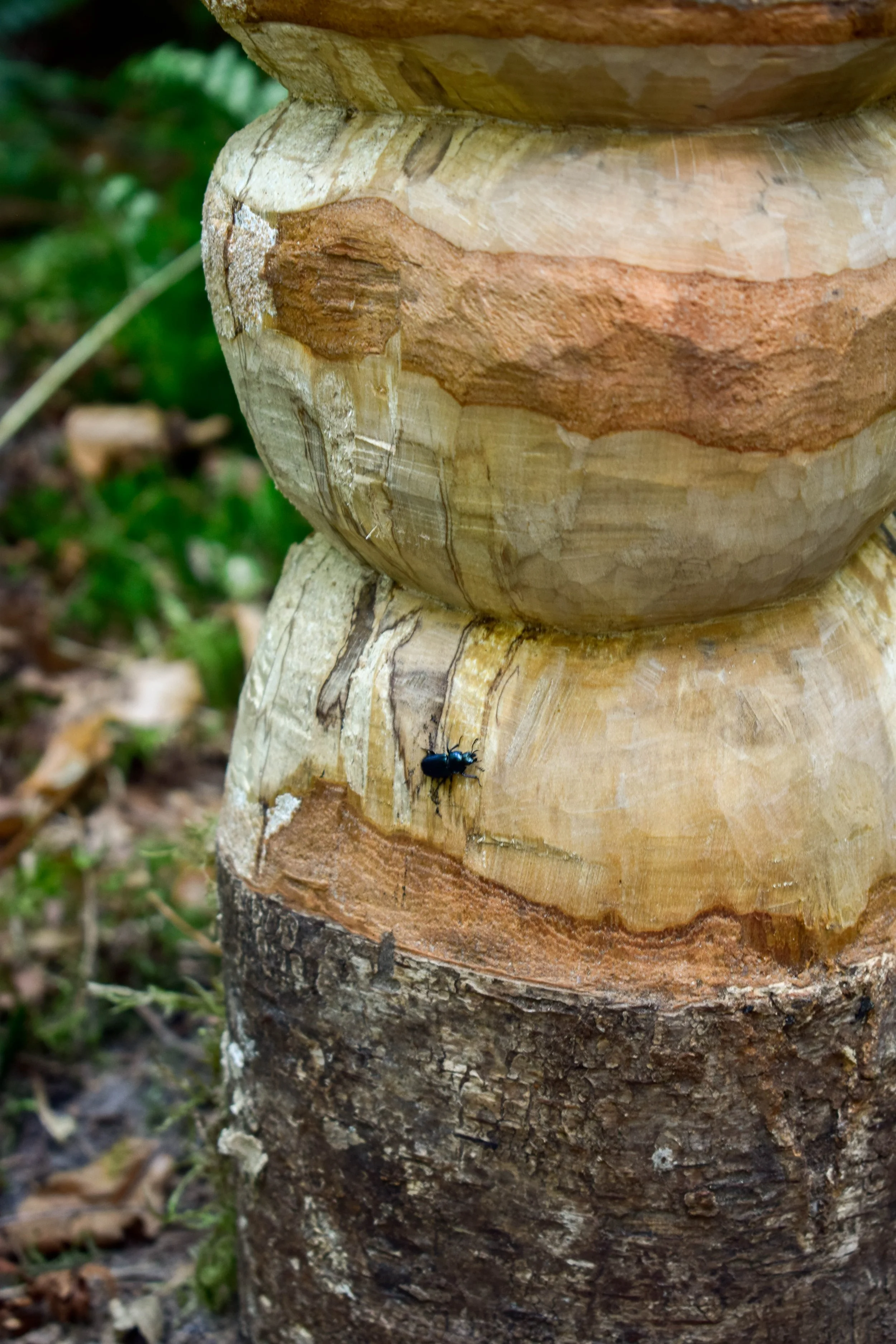
You can often recognize such a ‘dead’ tree by its shape. The cut surface is gradually rounded off by the surrounding trees. If the wound were left open, the tree would begin to rot and eventually die. In this way, the neighboring trees are actively protecting it. The tree itself is no longer capable of doing this, since it lacks foliage and by this can’t produce its own energy.
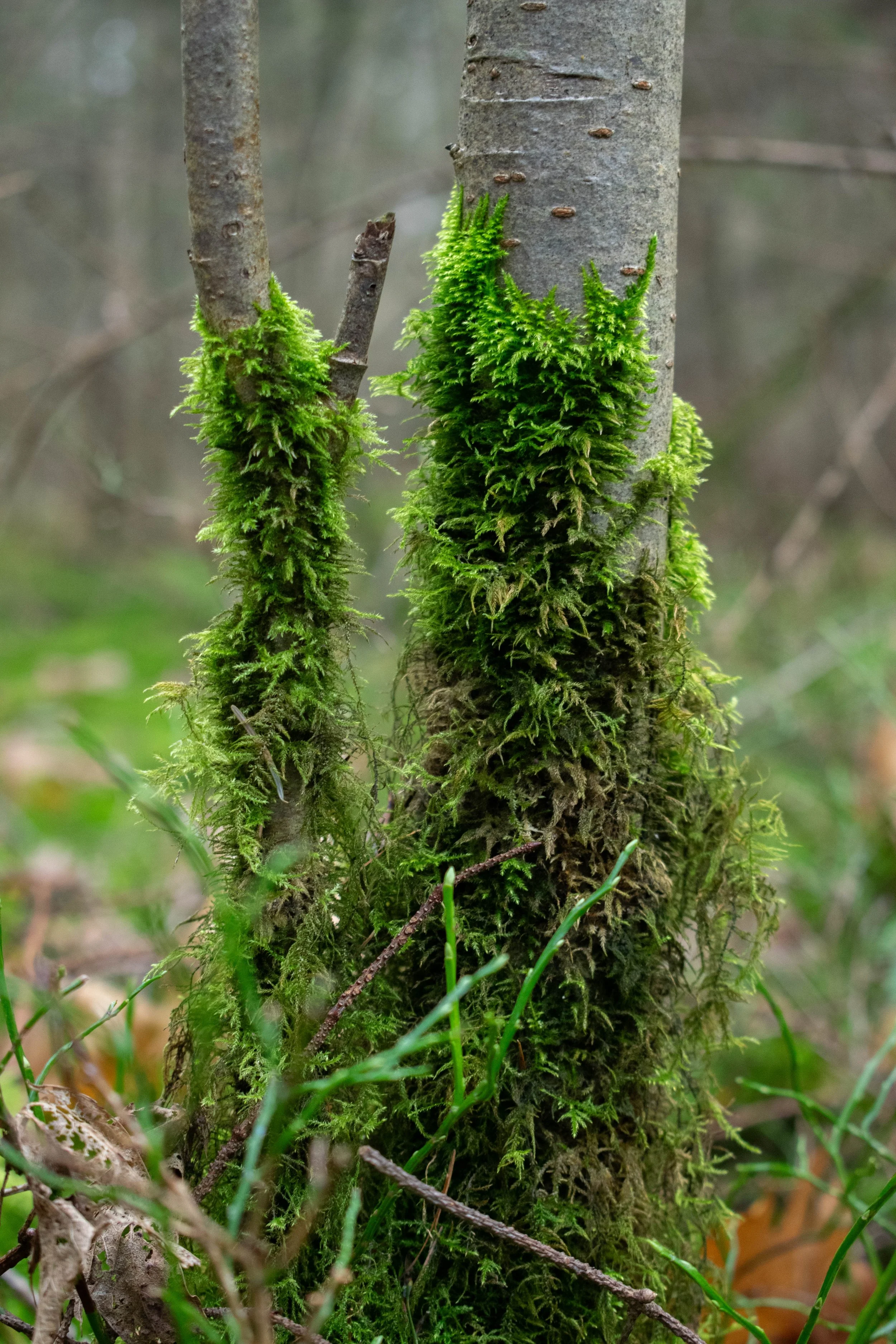
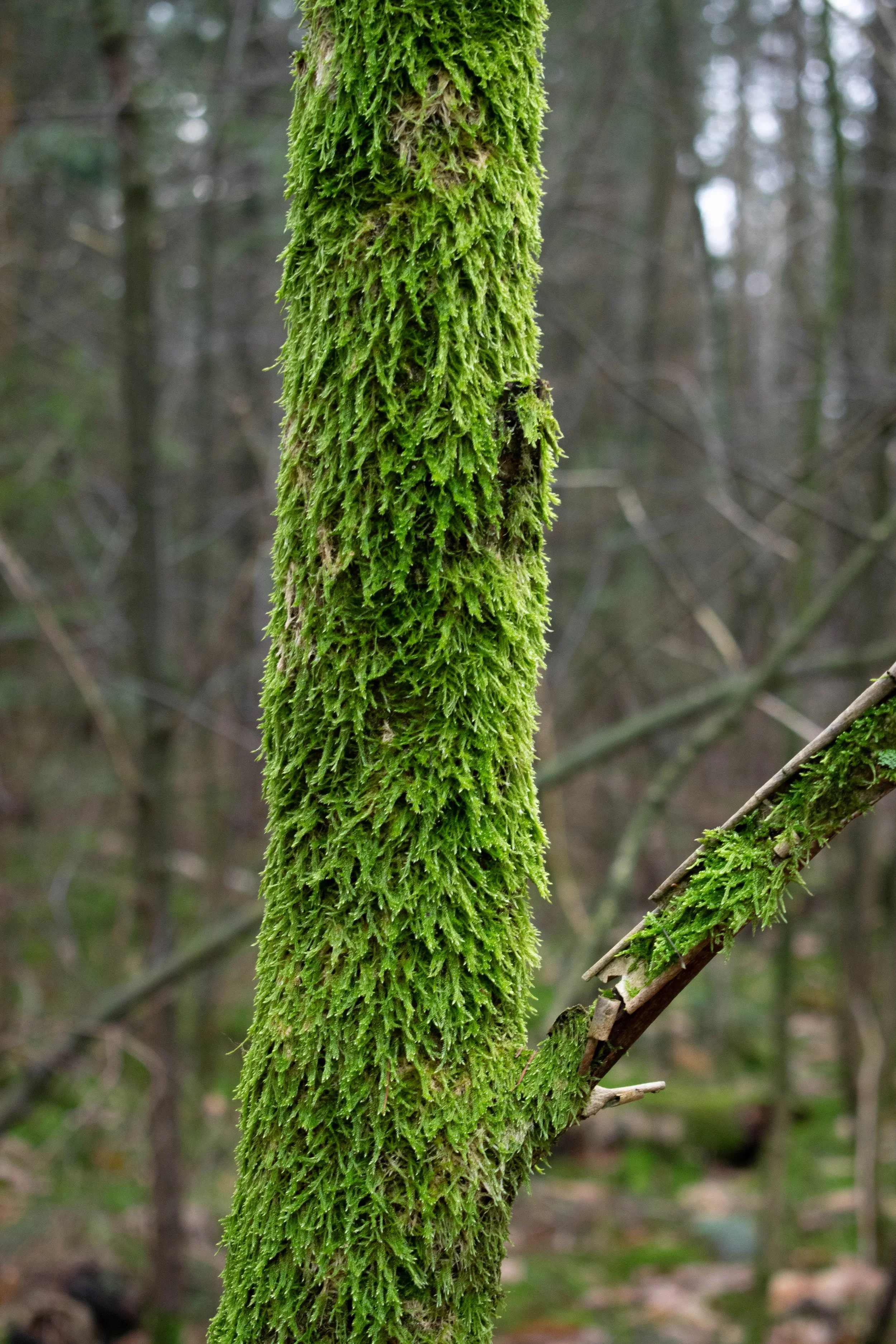
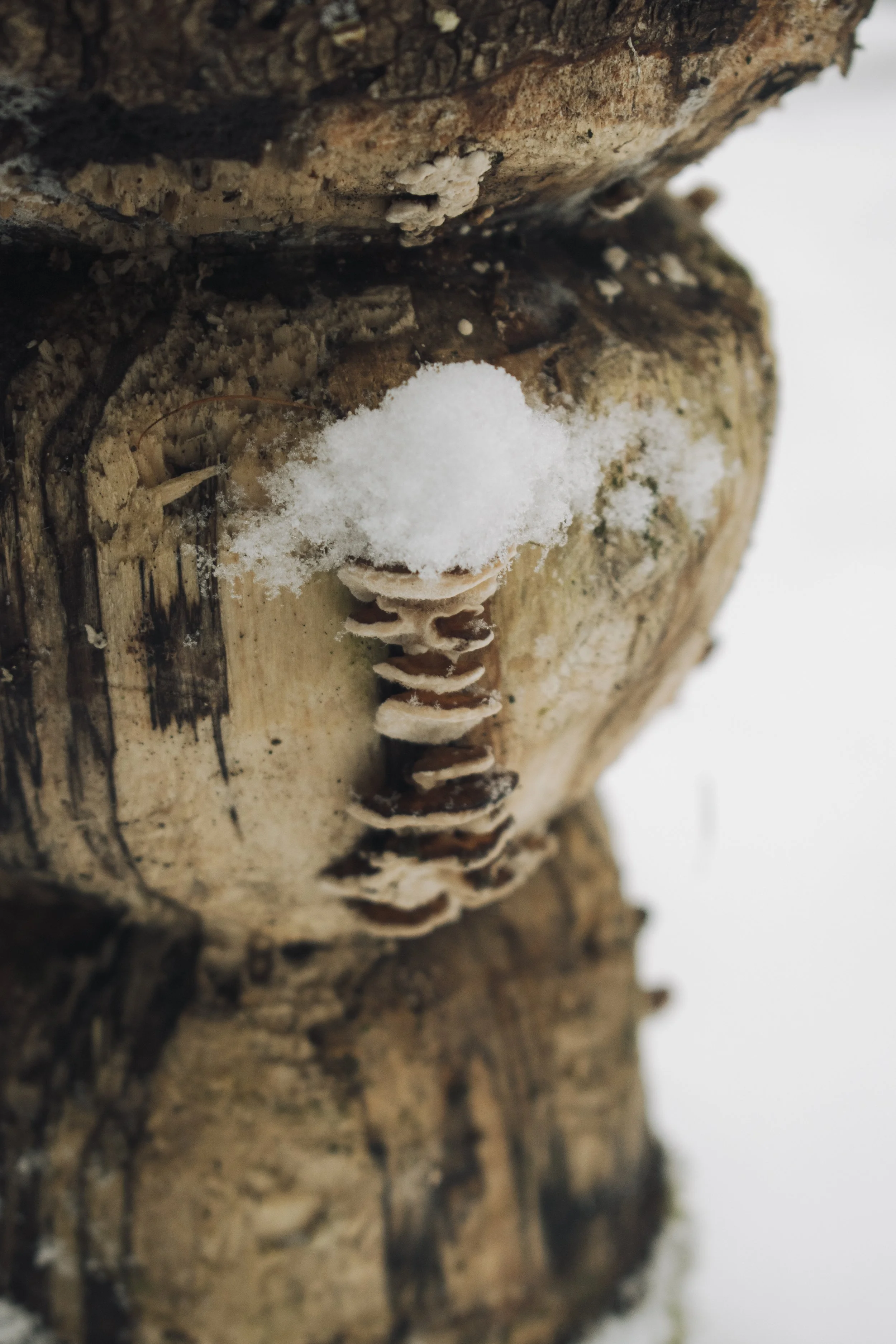
Examples of these trees can be found in the forest, and they served as the inspiration for the form of this monument. The rounded shapes are a direct reference to these protected trees, and will hopefully become naturally covered with mosses and other plants, allowing the monument to blend seamlessly into the forest.
Een gekapte boom wordt soms nog in leven gehouden door omliggende bomen via een verbonden wortelnetwerk dat water en voedingsstoffen doorgeeft. Zo beschermen zij de boom actief tegen verval. De ronde vormen in dit monument zijn hierop geïnspireerd en zullen langzaam begroeien met mos en planten, zodat het opgaat in het bos.
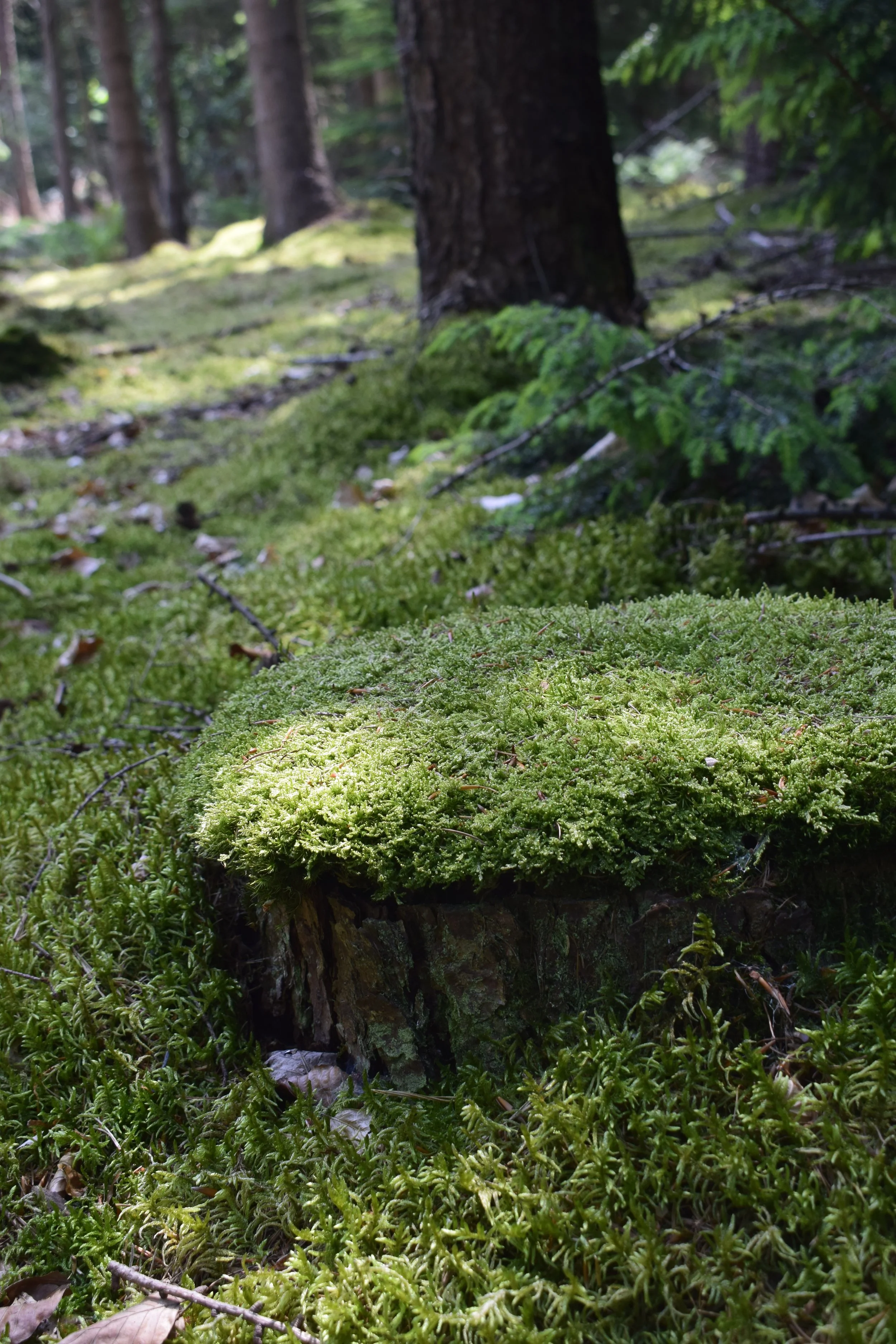
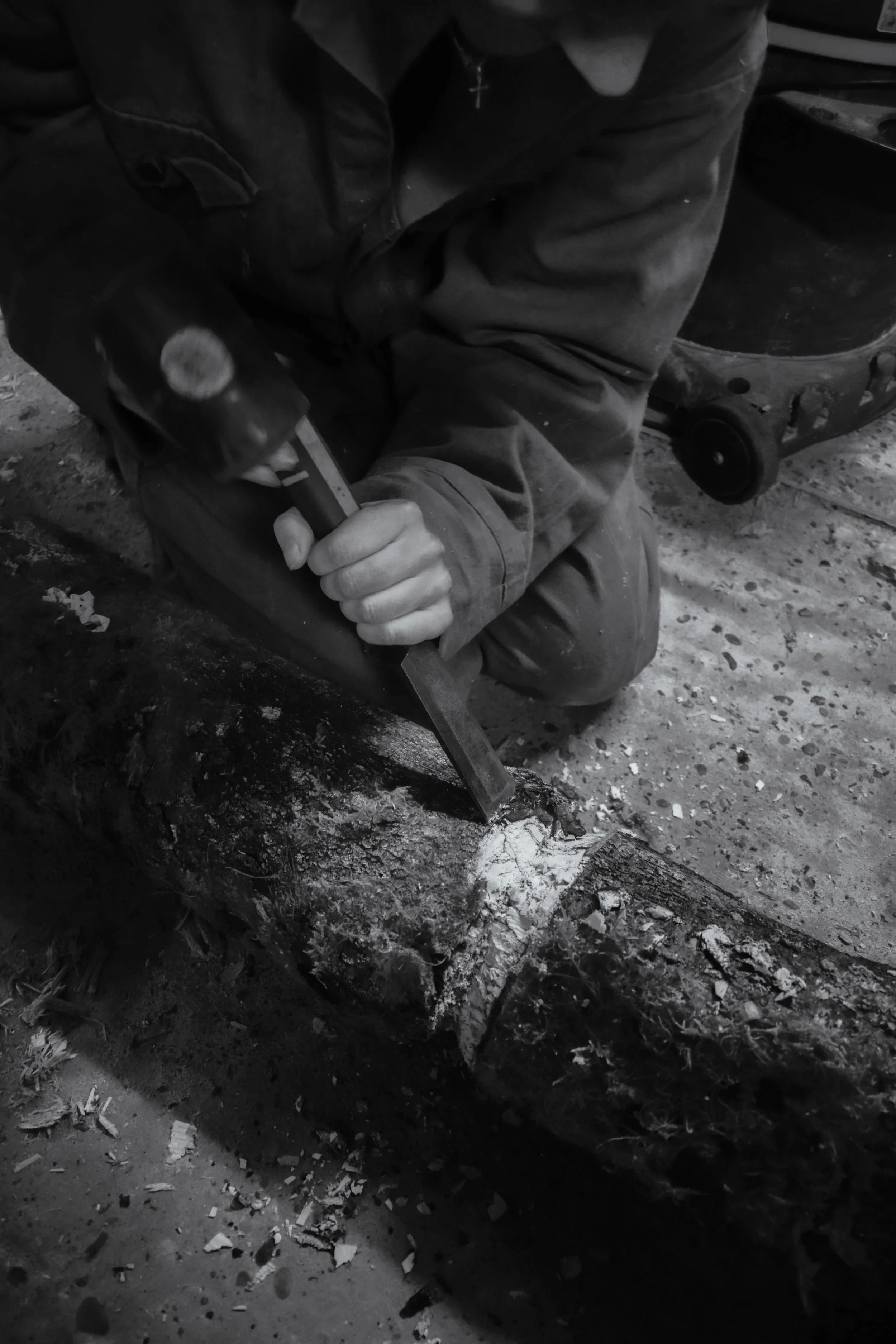
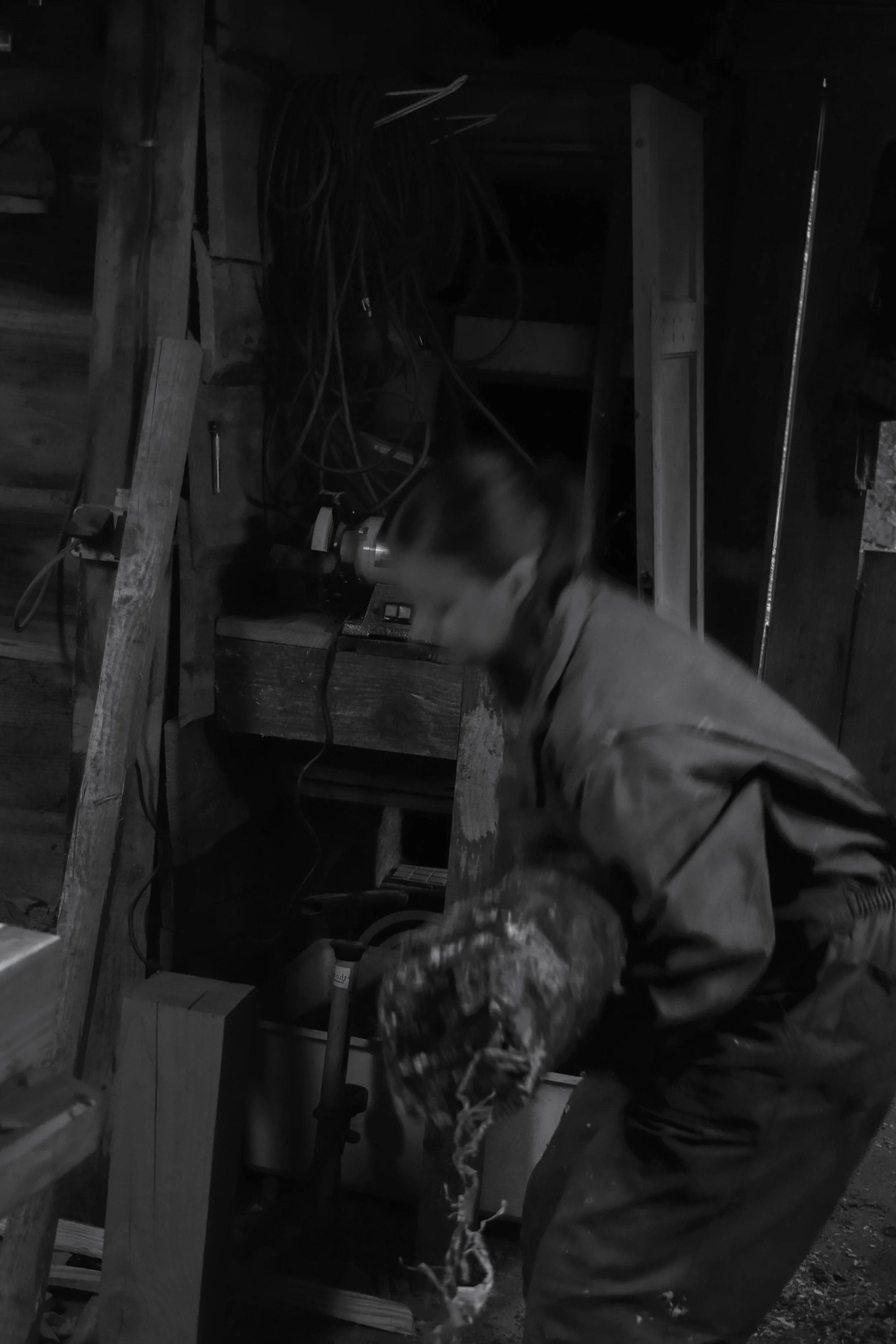
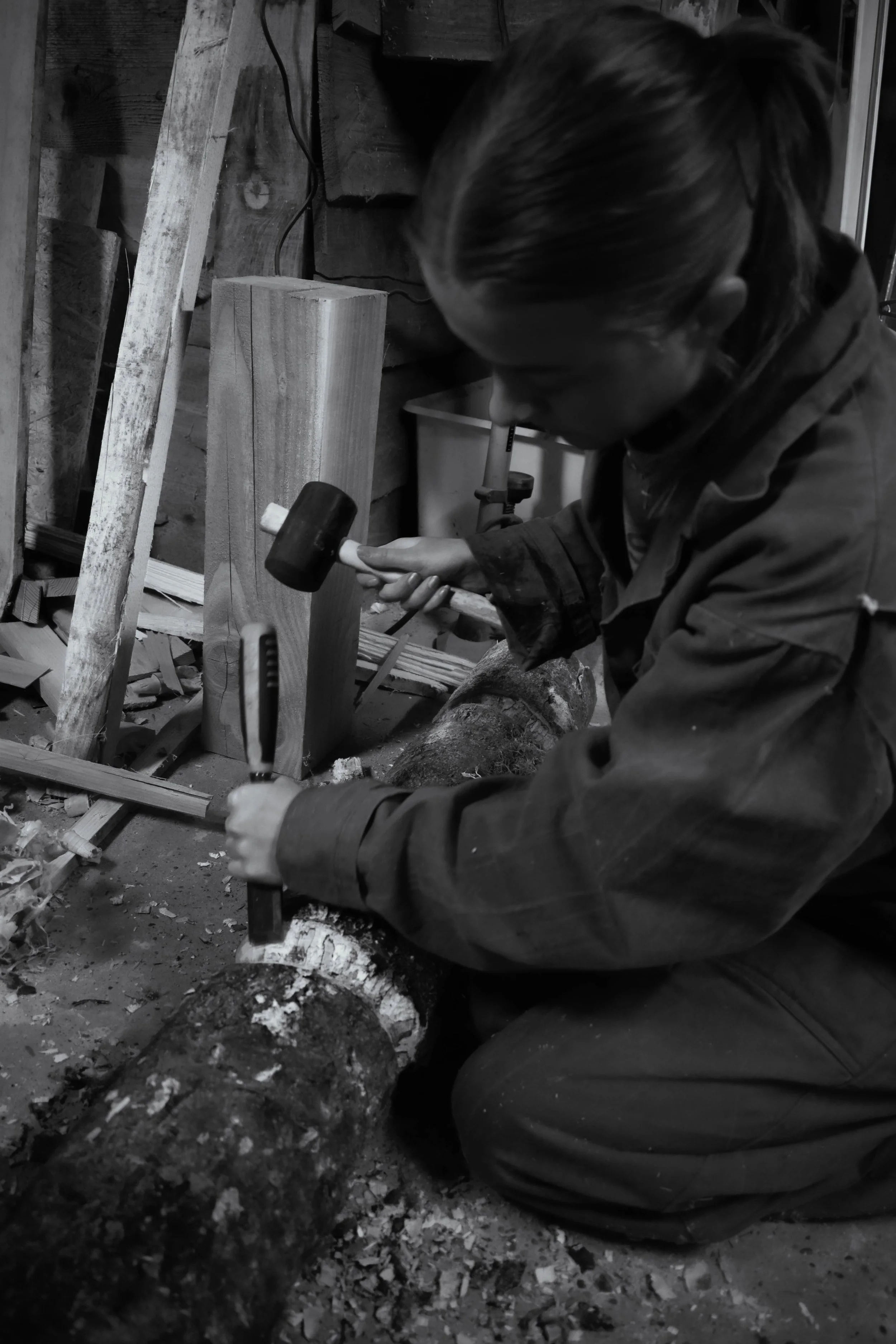

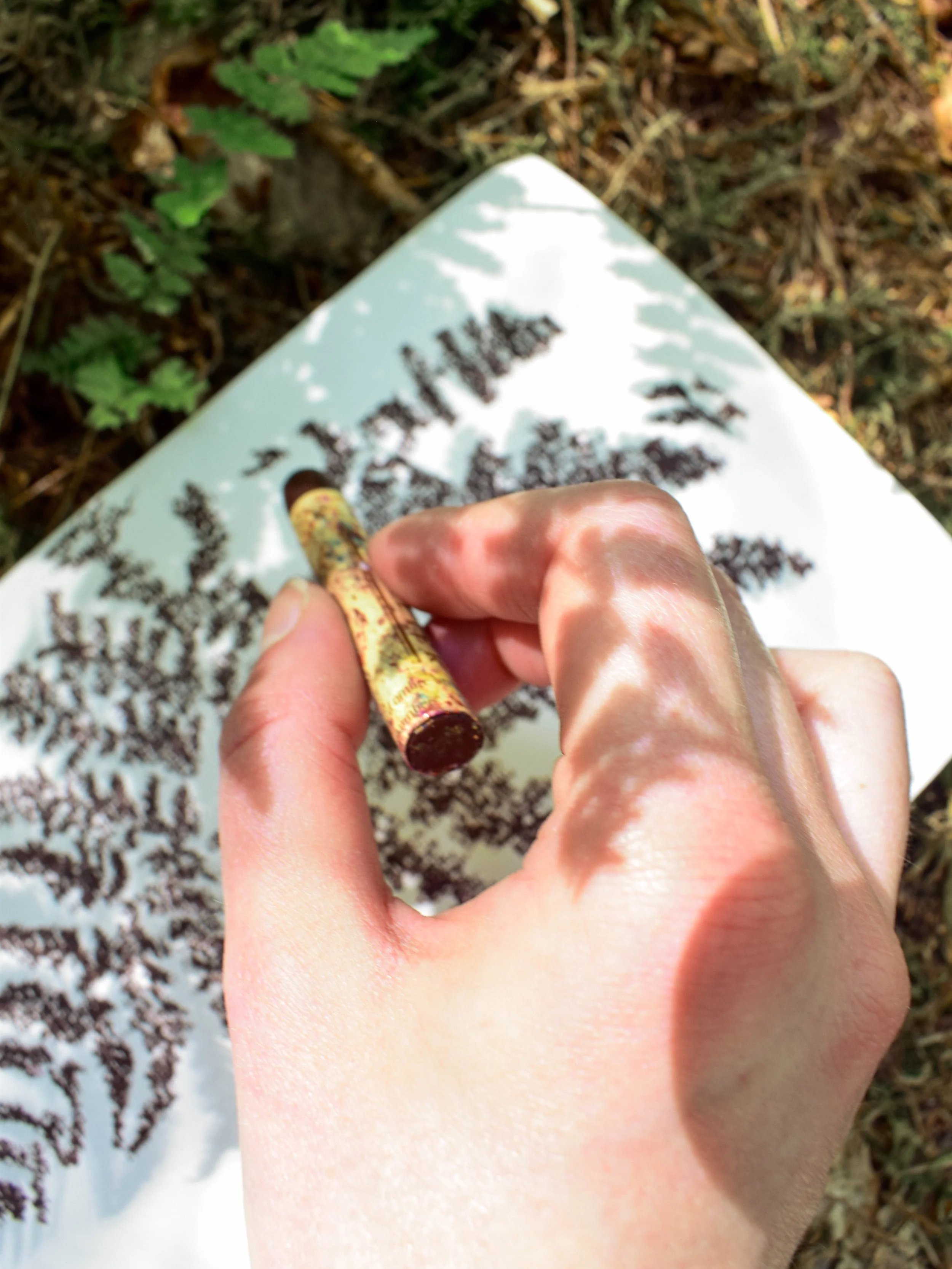
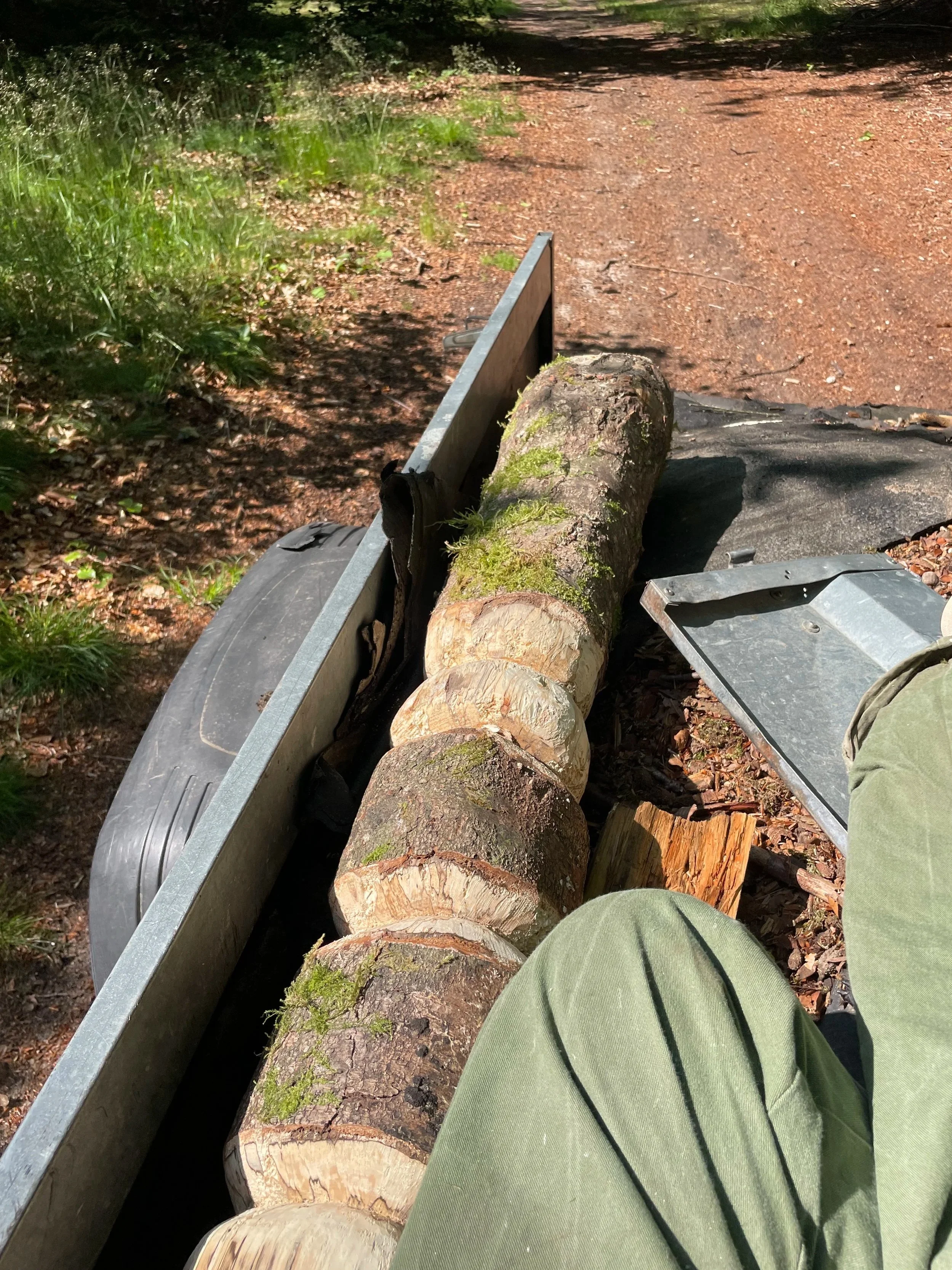
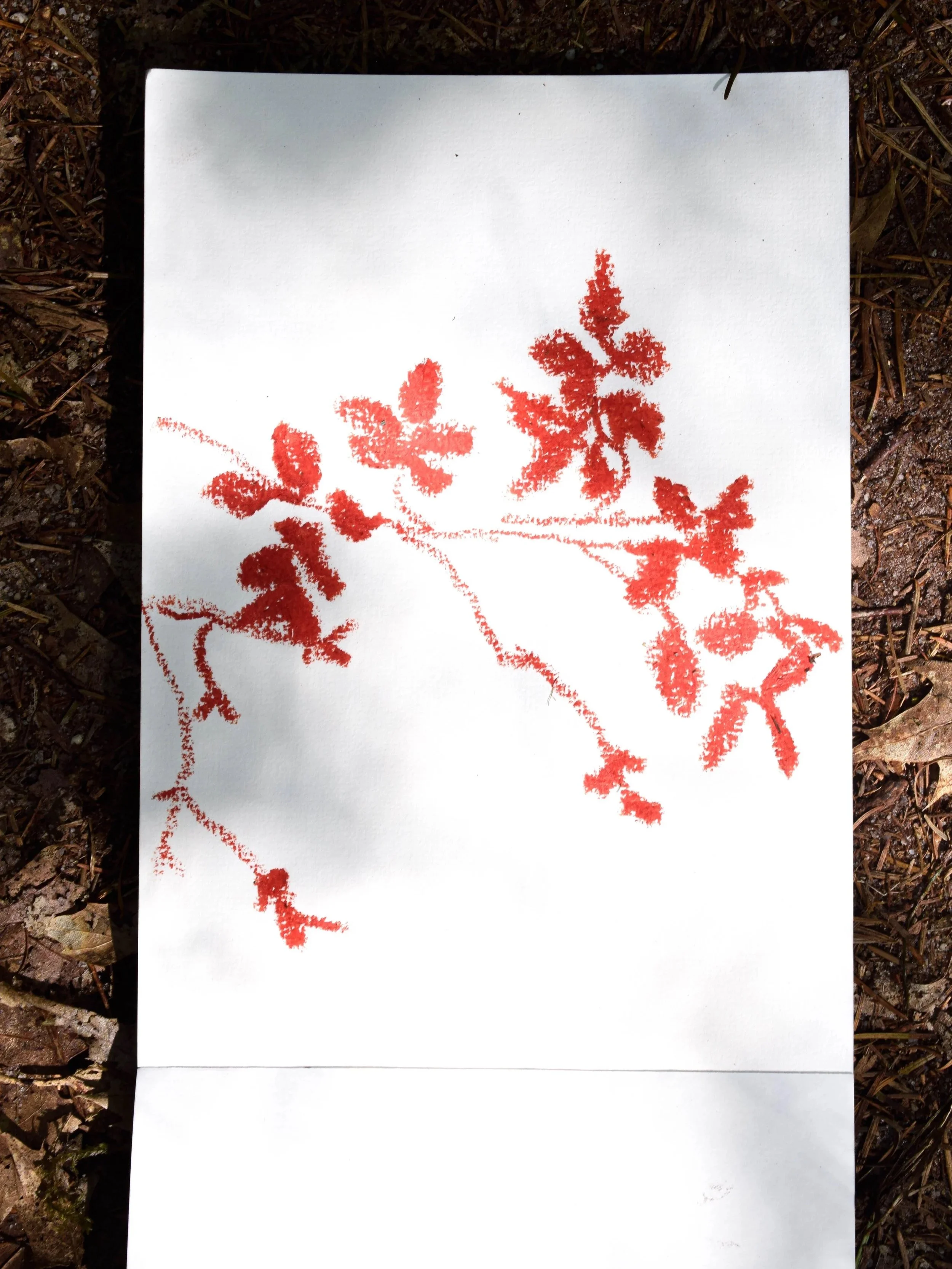
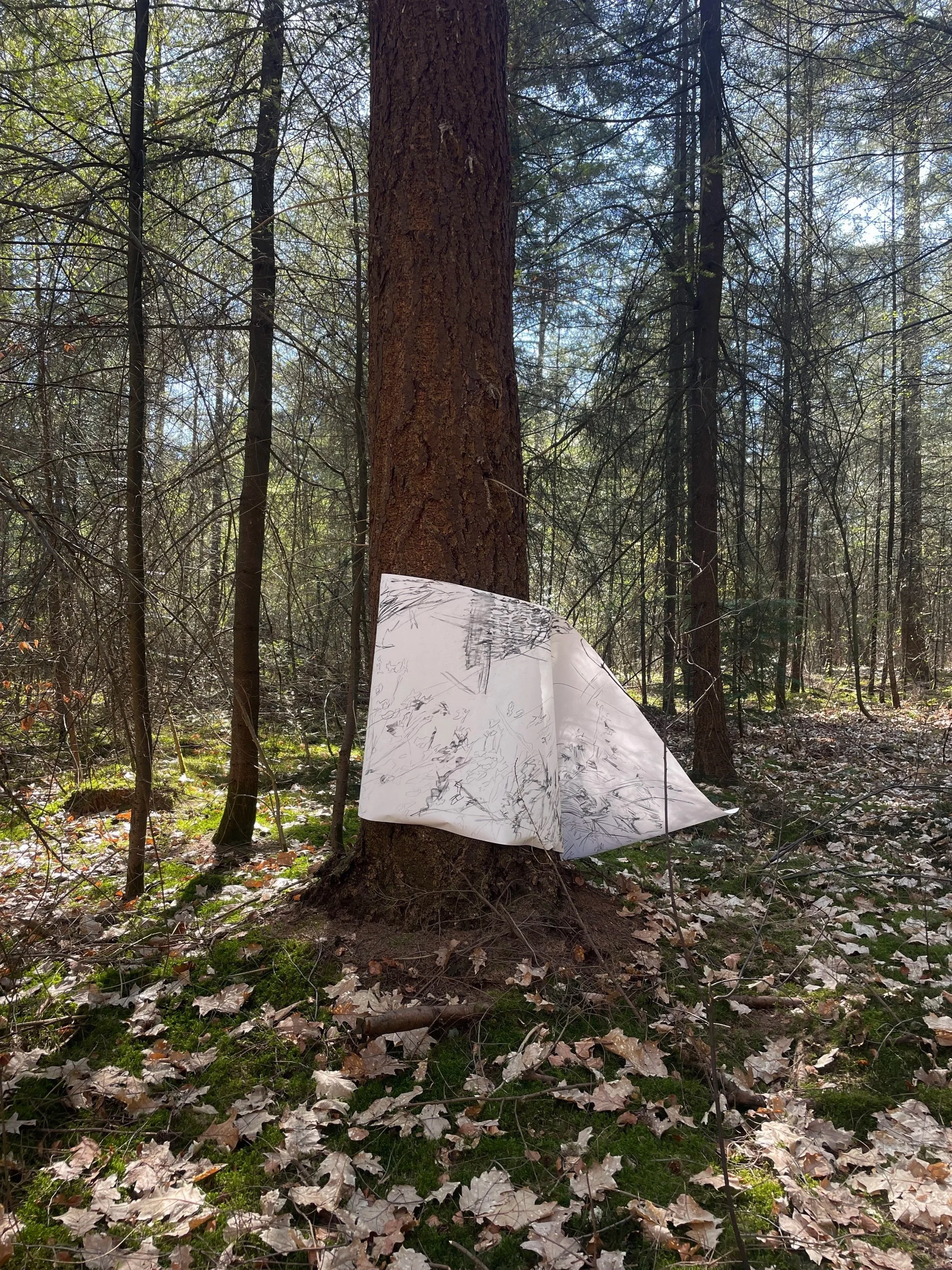
Nature’s Monument was created by carefully examining the space it would inhabit. I made sketches, carved test pieces, and closely observed the natural surroundings.
What makes this place unique? I would argue that its uniqueness lies in the freedom it allows. Birds are free to build their nests wherever they choose, even in the middle of walking paths. Nature here is alive and thriving. In fact, I believe it doesn’t need our help at all.
The only reason we feel the need to ‘help’ nature is because of the challenges we face within it. If we set those aside and accept, for example, the risk of tripping over uneven paths that aren’t maintained, we’ll see that nature can take care of itself just fine.
Nature’s Monument is ontstaan door de plek zorgvuldig te bestuderen met schetsen en proefmodellen. Wat deze plek uniek maakt is de vrijheid: vogels bouwen hier hun nesten waar ze willen en de natuur leeft volledig zelfstandig. Ze heeft eigenlijk geen hulp nodig; als we de risico’s van een ongerepte omgeving accepteren, blijkt dat de natuur zichzelf prima kan dragen.

2025