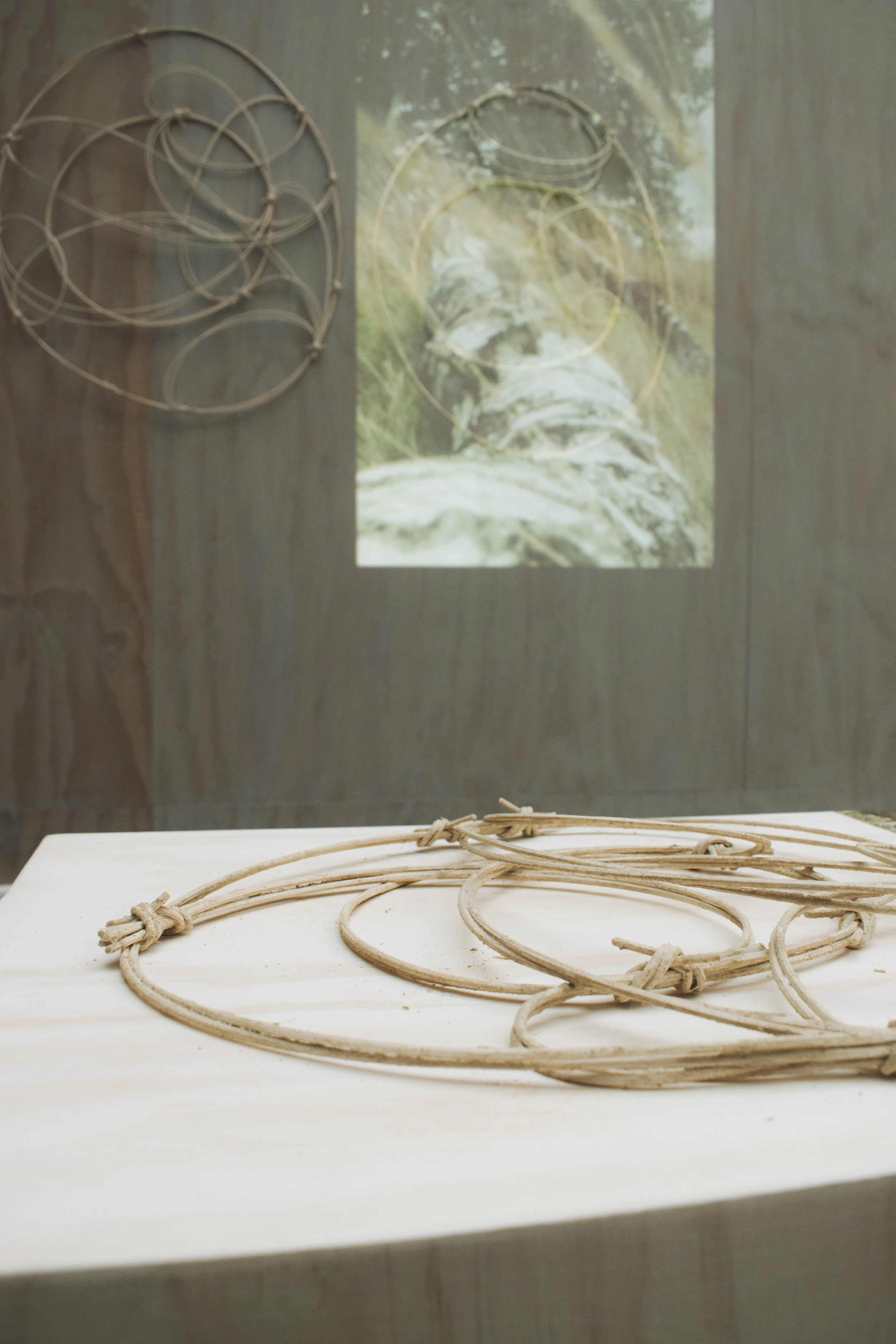
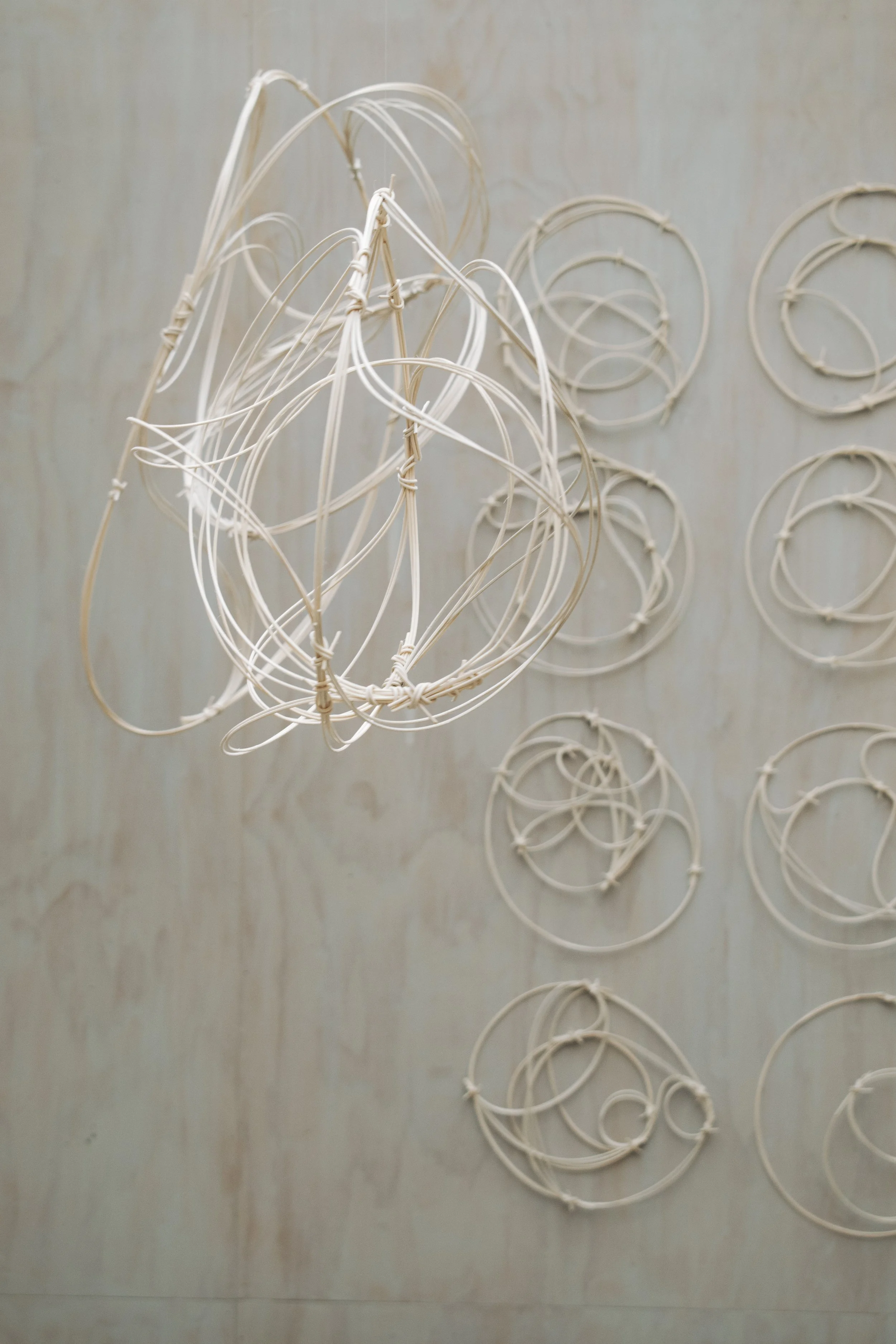
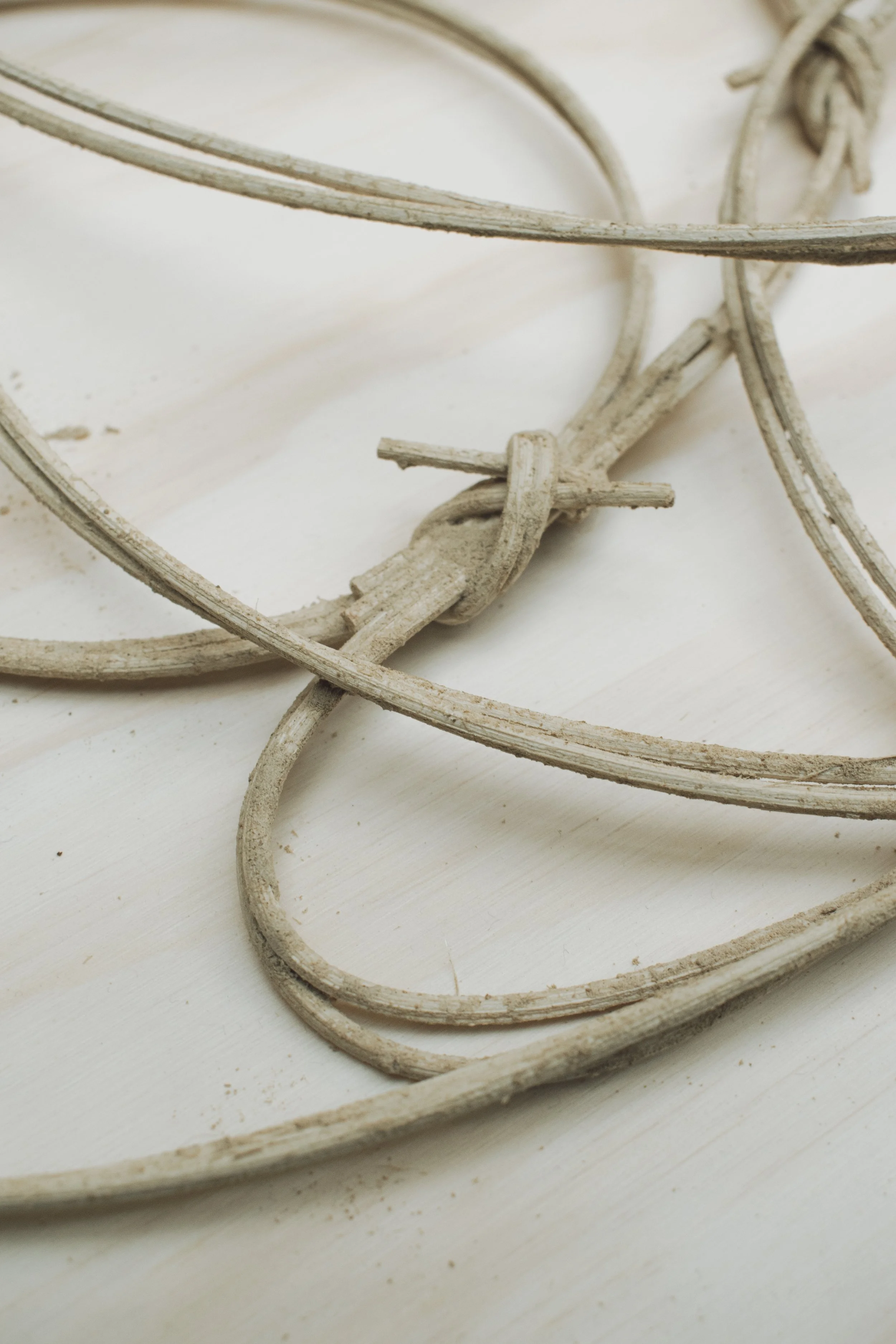
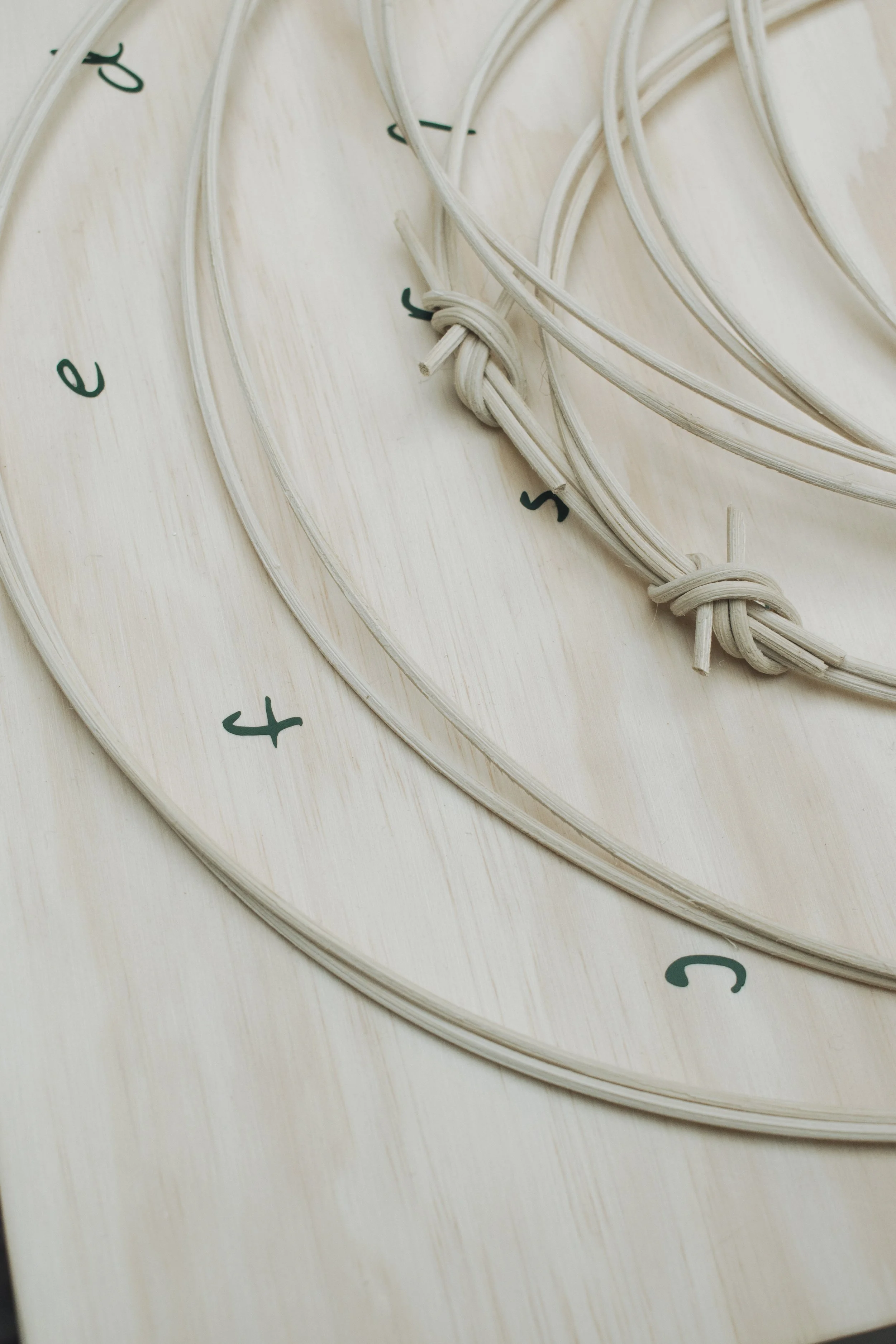
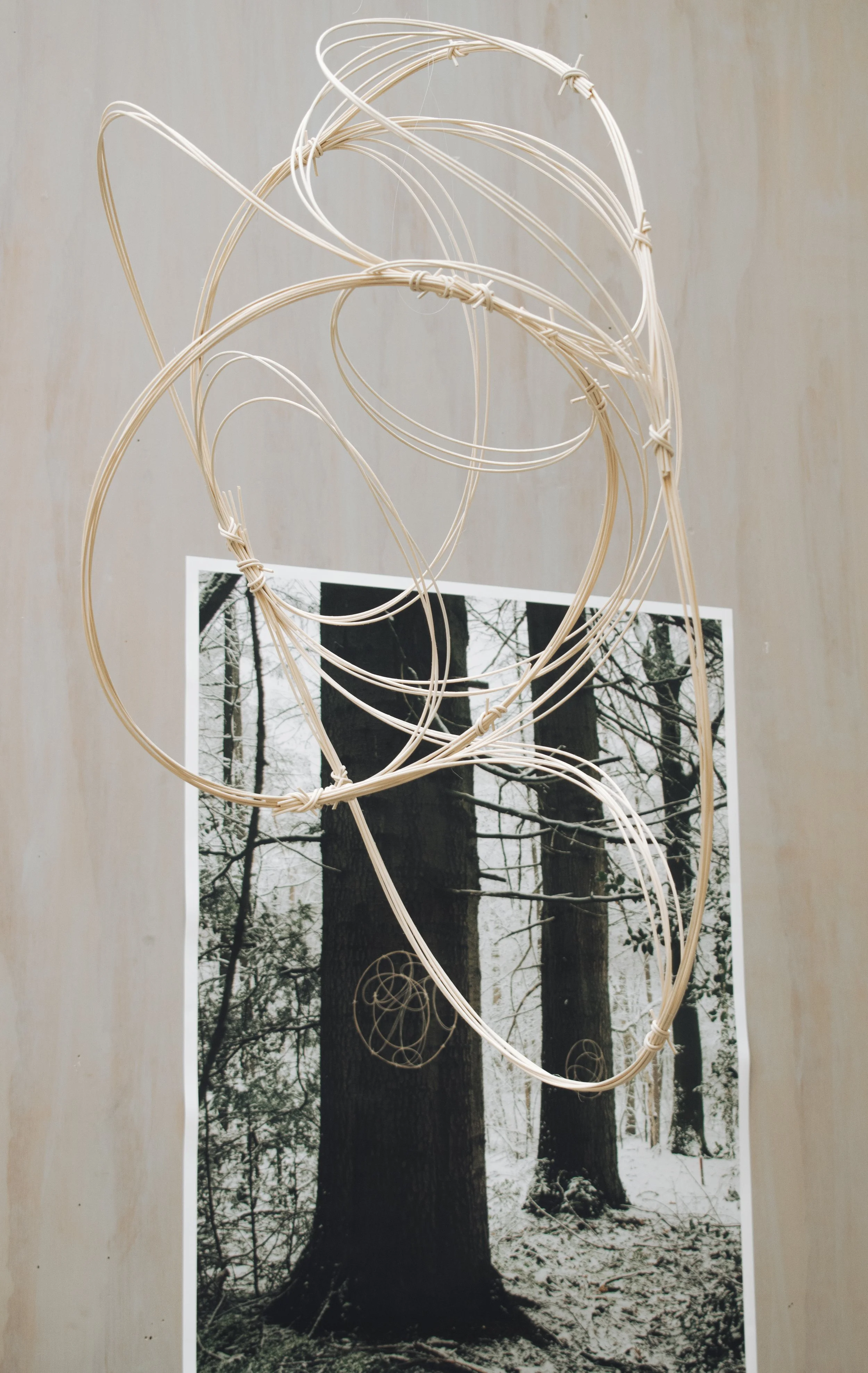
Maat der Dingen is a research project into the influence of language on our relationship with nature. By translating language into symbols that are no longer directly readable, the work explores what happens when meaning is no longer guided by words alone.
The work creates space for intuition, feeling, and the influence of nature itself, inviting alternative ways of understanding and relating to the living world.
Onderzoek naar de invloed van taal op onze relatie met de gemeenschap van leven (de natuur) en naar wat er gebeurt wanneer taal wordt vertaald naar iets dat niet direct leesbaar is. Ontstaat er dan ruimte voor intuïtie en gevoel?
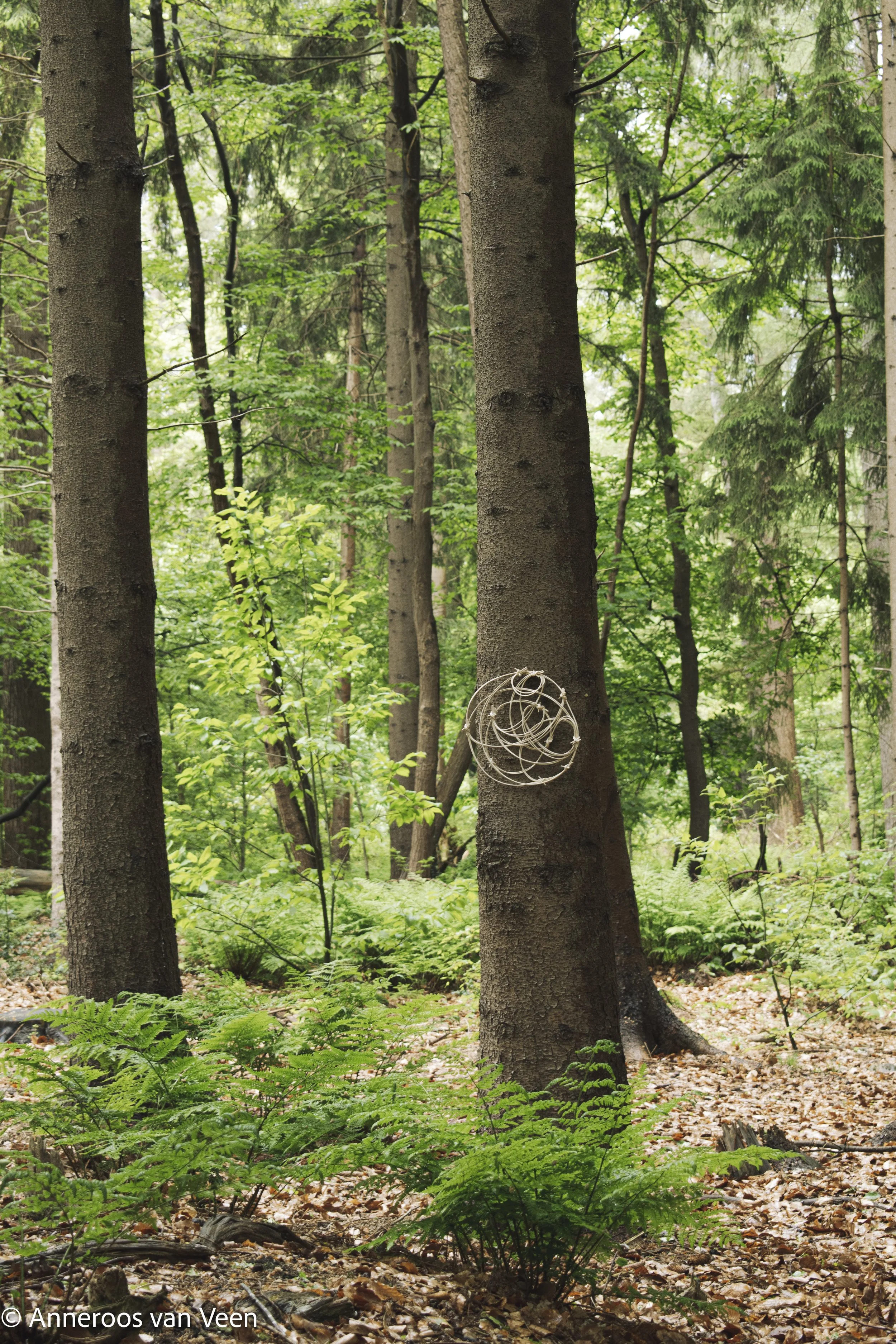
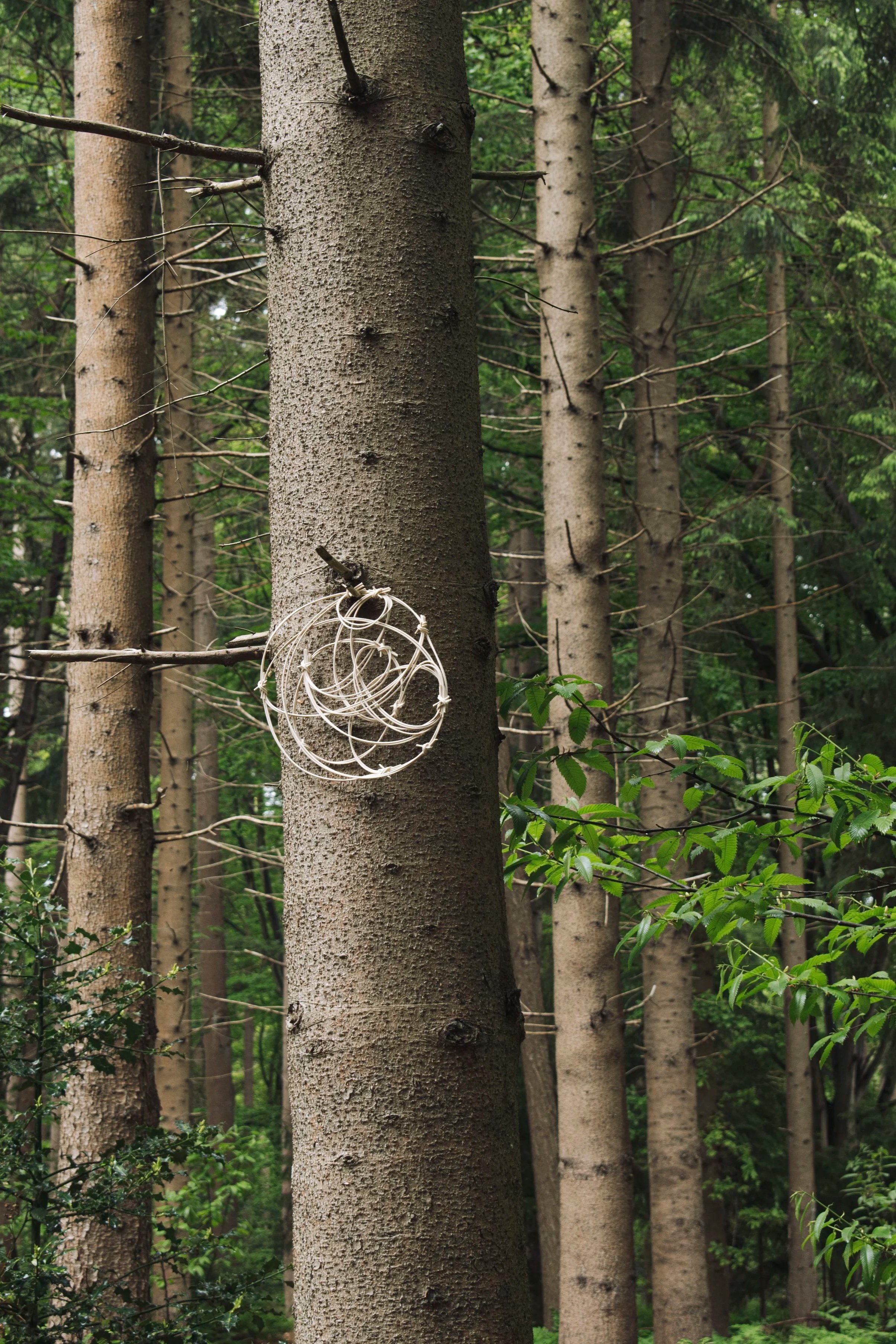
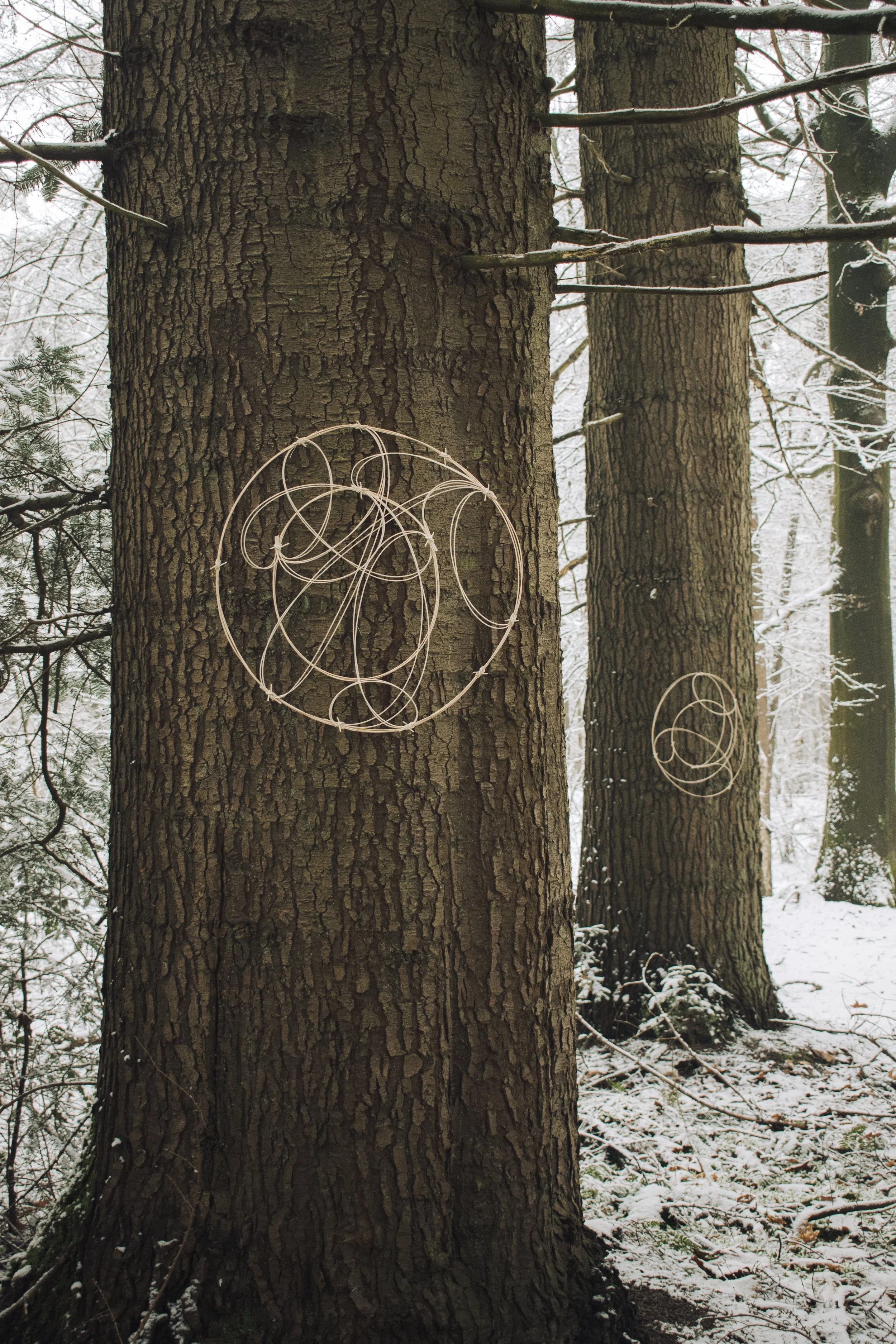
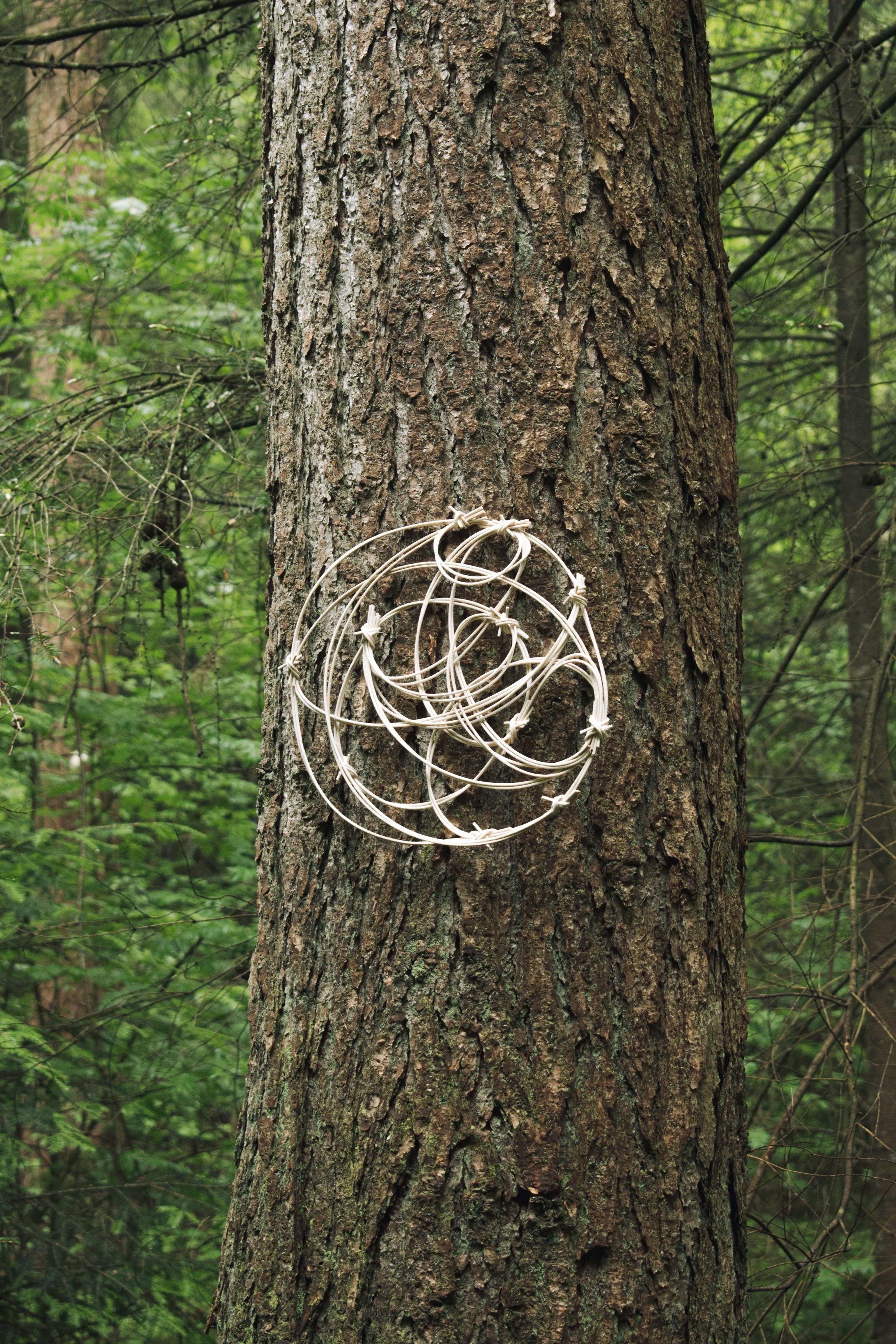
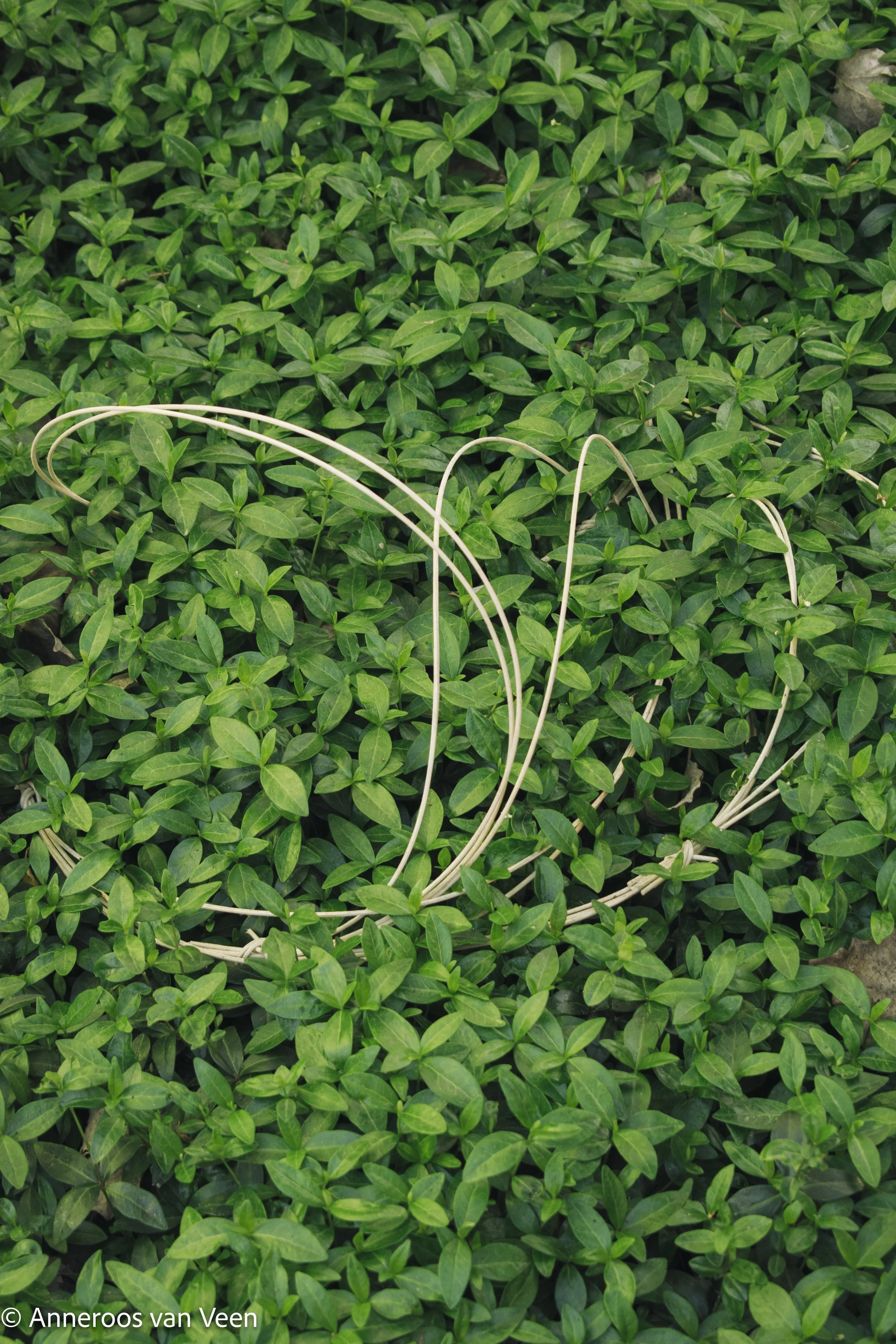
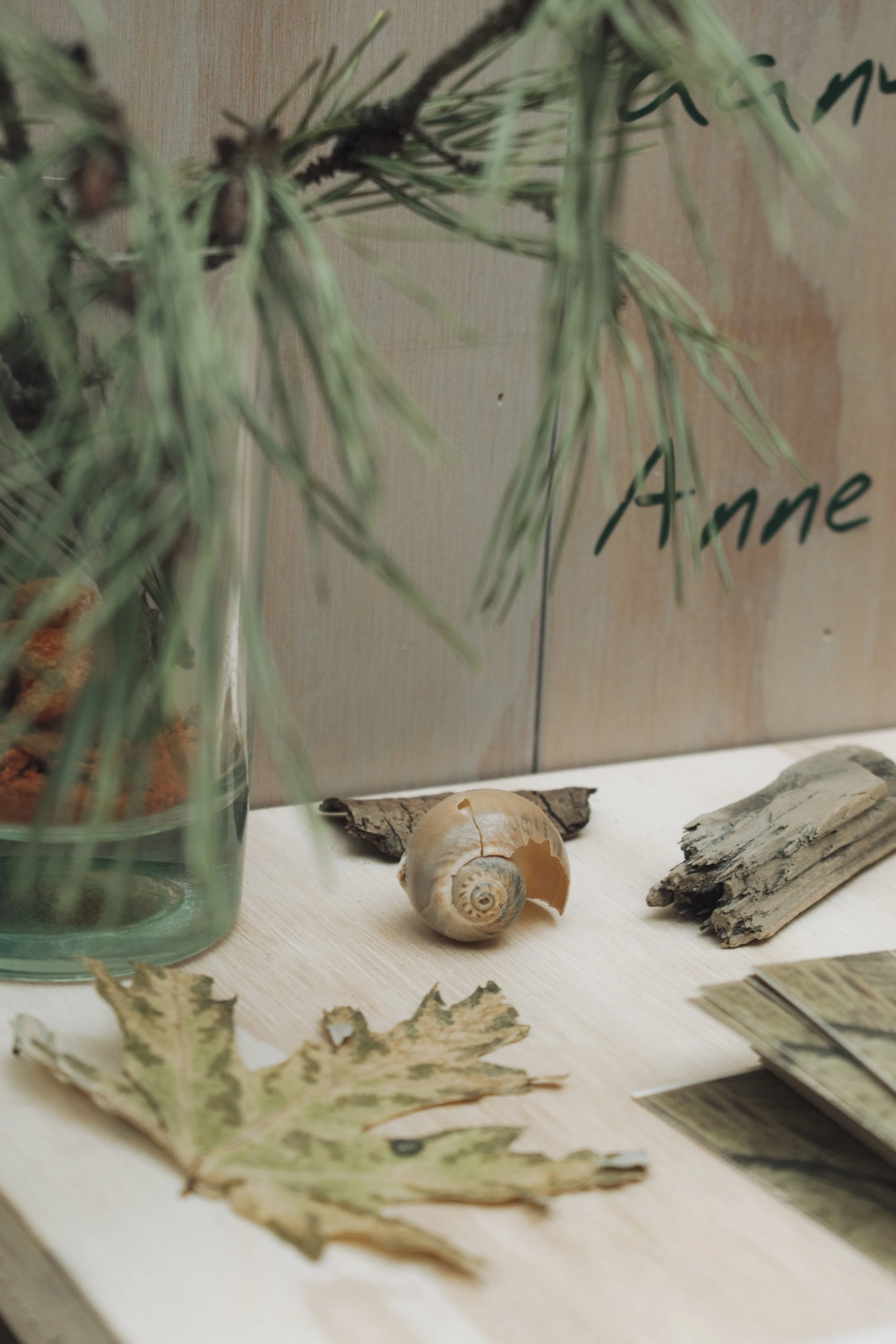
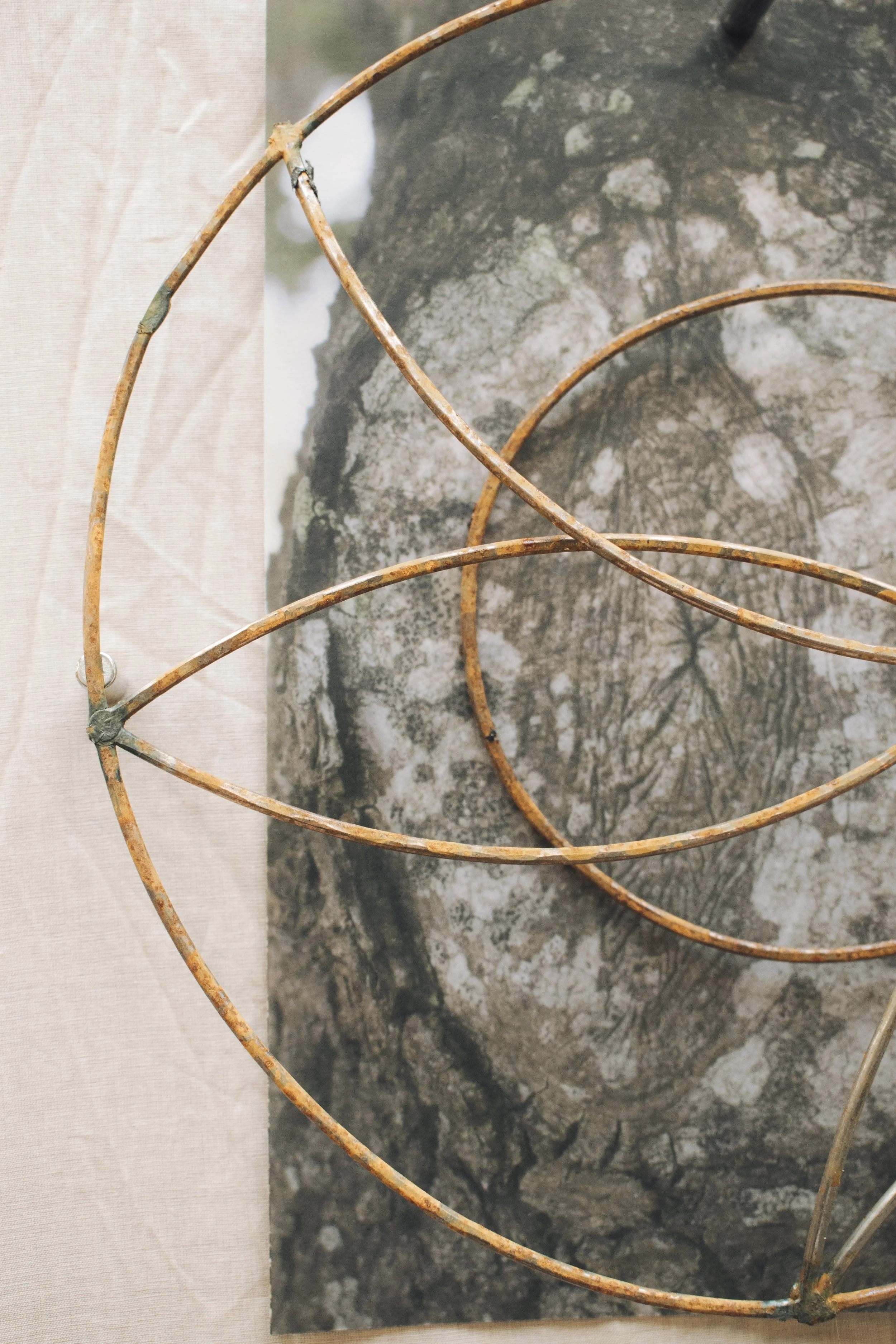
I work with nature whenever possible, using materials that can change through natural processes. This creates a relationship in which nature is not seen as object, but as an equal presence a subject. In doing so, I not only explore nature as it is, but also allow nature to have a say and a role in my work.
In mijn werk geef ik ook ruimte aan natuurlijke elementen om het werk te beïnvloeden, als een samenwerking met de omgeving.
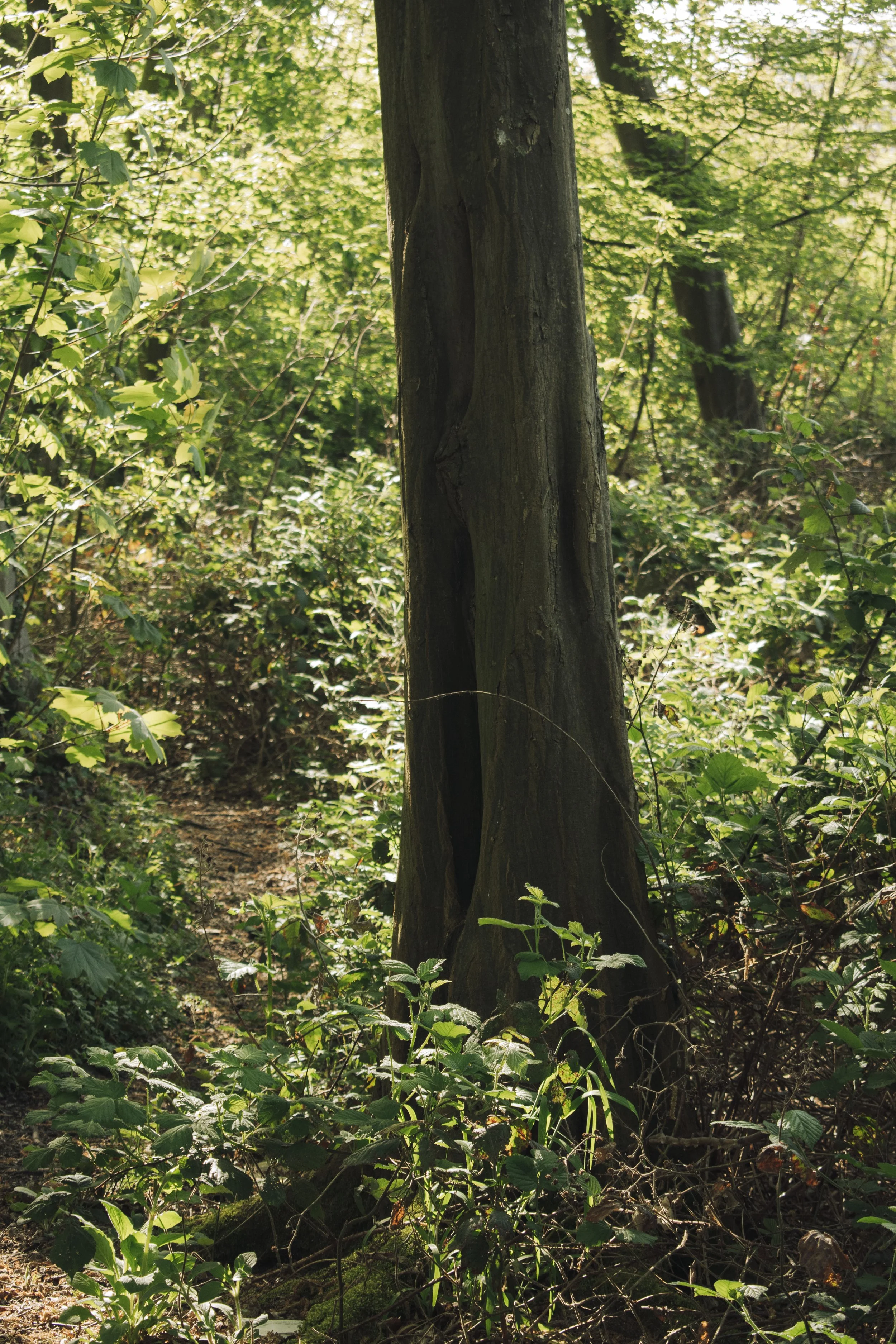
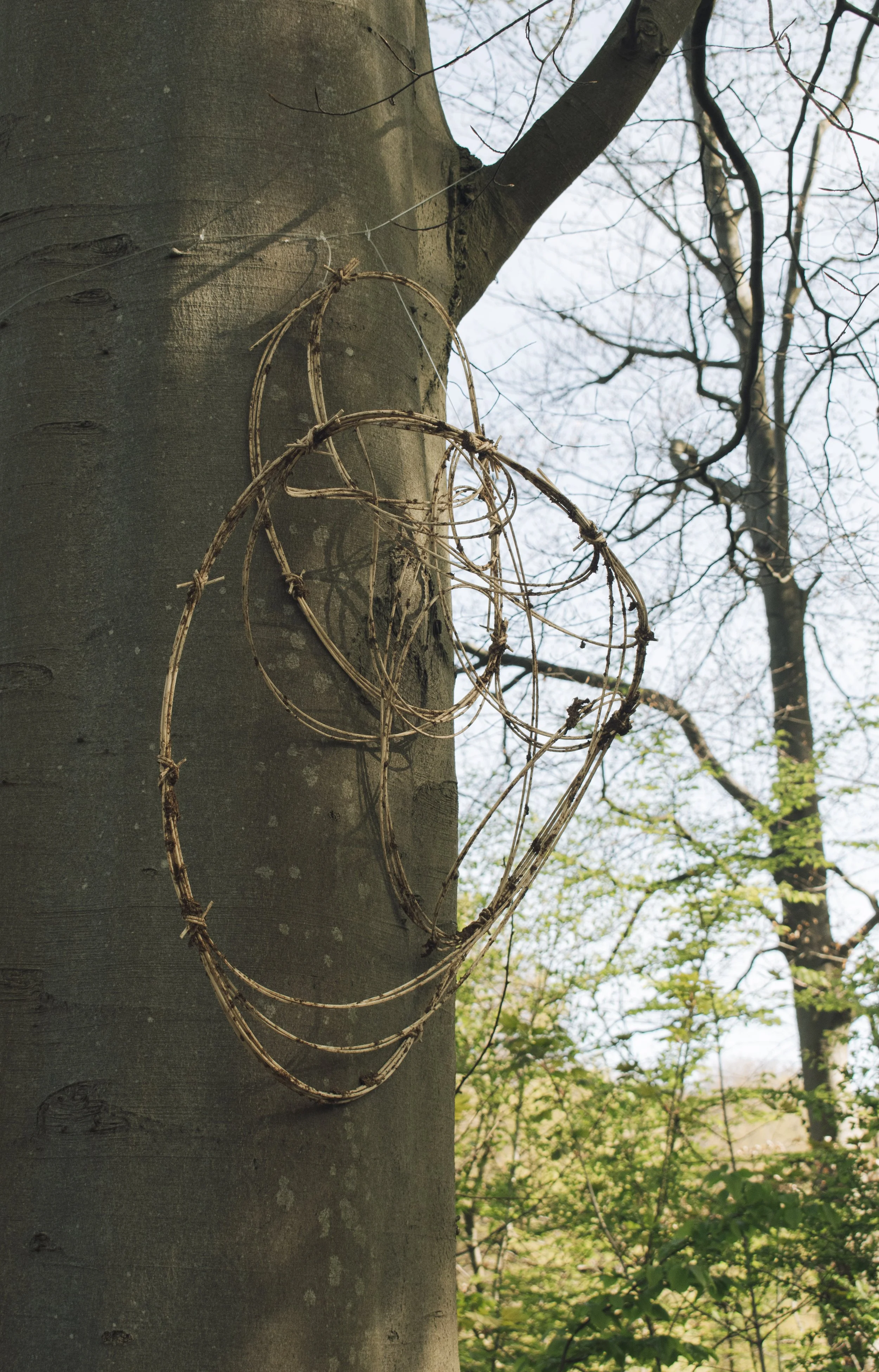
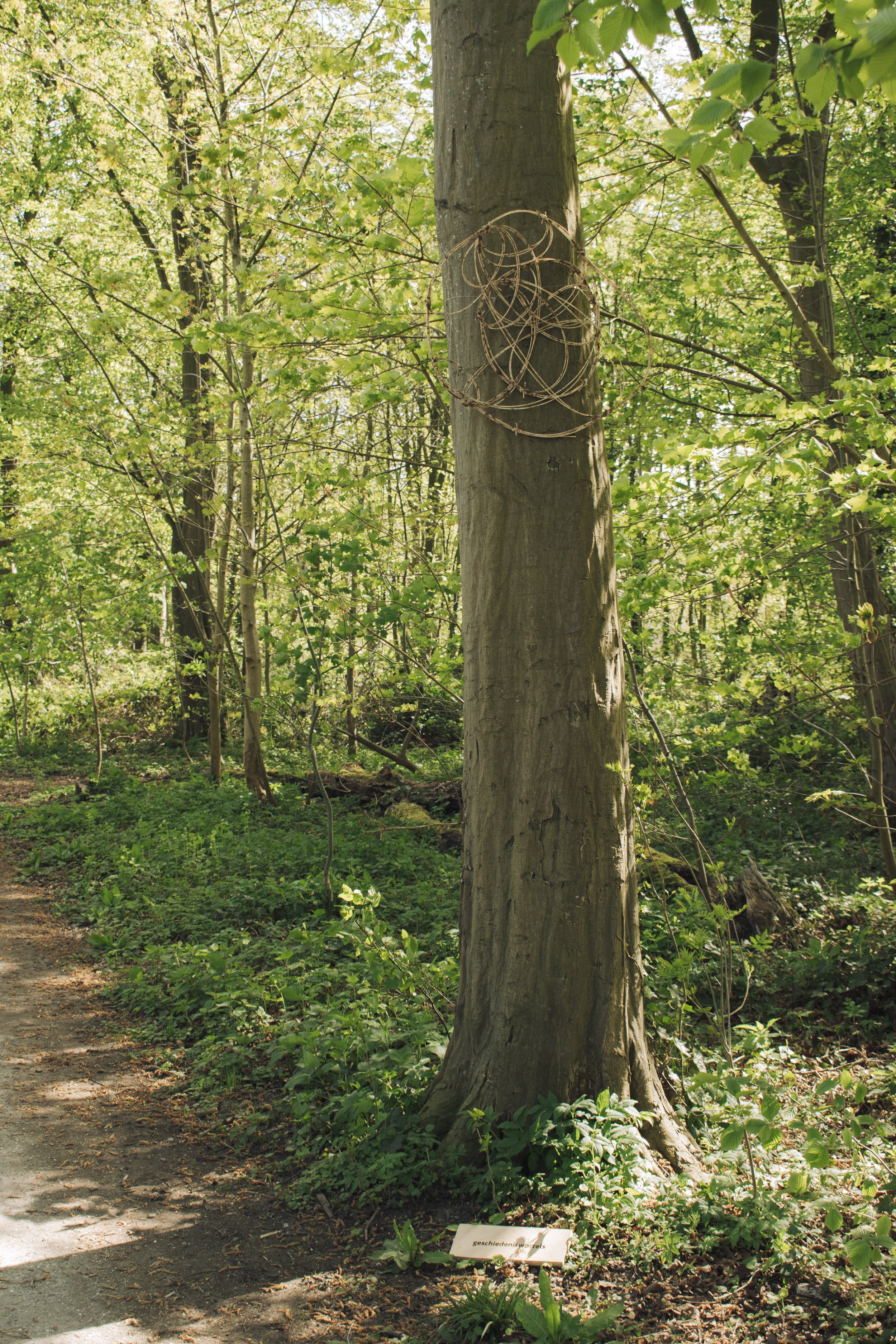
Short video fragments are created to interrupt daily habits and encourage slowing down, looking around, and spending more time observing the area and the subject in front of us. When entering nature, we often forget to truly look around. Through short video fragments that resemble still lifes, everyday walking situations are made visible.
Korte videofragmenten doorbreken dagelijkse gewoontes en nodigen uit om te vertragen, om zich heen te kijken en langer te observeren.
NL:
Onze taal is niet groot genoeg; het woord bos is veel te klein voor het begrip. Geen enkel bos is met een ander te vergelijken, en zo ook geen boom, geen gras, geen blad, enzovoort. We hebben nauwelijks woorden om onze gevoelens over de natuur uit te drukken.
Tijdens mijn onderzoek naar taal kwam ik het woord landschapspijn tegen. Hiermee kan je uitdrukken dat je pijn of verdriet voelt over een veranderd landschap: een gebied dat eerst heel biodivers was en nu bijvoorbeeld akkerland is geworden.
Zo heb ik zelf ook een aantal nieuwe woorden gemaakt:
Belopenlandschap: een gebied of omgeving die wel bewandeld, maar niet echt bekeken wordt.
Afstandslanen: het gevoel dat paden afstand creëren tot het gebied waar je doorheen beweegt. Soms zijn paden zo breed dat het voelt als een tunnel door een landschap.
Landschapsadem: de taal die de natuur spreekt en die je vaak niet hoort, bijvoorbeeld het geritsel van bladeren.
Geschiedeniswortels: het idee dat wij onderdeel zijn van de natuur.
Beschouwingsluister: luisteren door het inzetten van andere zintuigen; bijvoorbeeld een boom “horen” door haar te voelen.
EN:
Our language is not large enough; the word forest is far too small for the concept it tries to contain. No forest can be compared to another, and the same goes for any tree, any blade of grass, any leaf, and so on. We have hardly any words to express our feelings about nature.
During my research into language, I came across the word landscape pain. It can be used to express the pain or grief you feel about a changed landscape: an area that was once highly biodiverse and has now, for example, become agricultural land.
In response, I have created a number of new words myself:
Walkedlandscape: an area or environment that is walked through, but not truly seen.
Distance-avenues: the feeling that paths create distance between you and the landscape you move through. Sometimes paths are so wide that it feels like a tunnel cutting through a landscape.
Landscapebreath: the language spoken by nature, which is often not heard—for example, the rustling of leaves.
Historicroots: the idea that we are part of nature.
Attentivelistening: listening by engaging other senses; for example, “hearing” a tree by touching it.
NL:
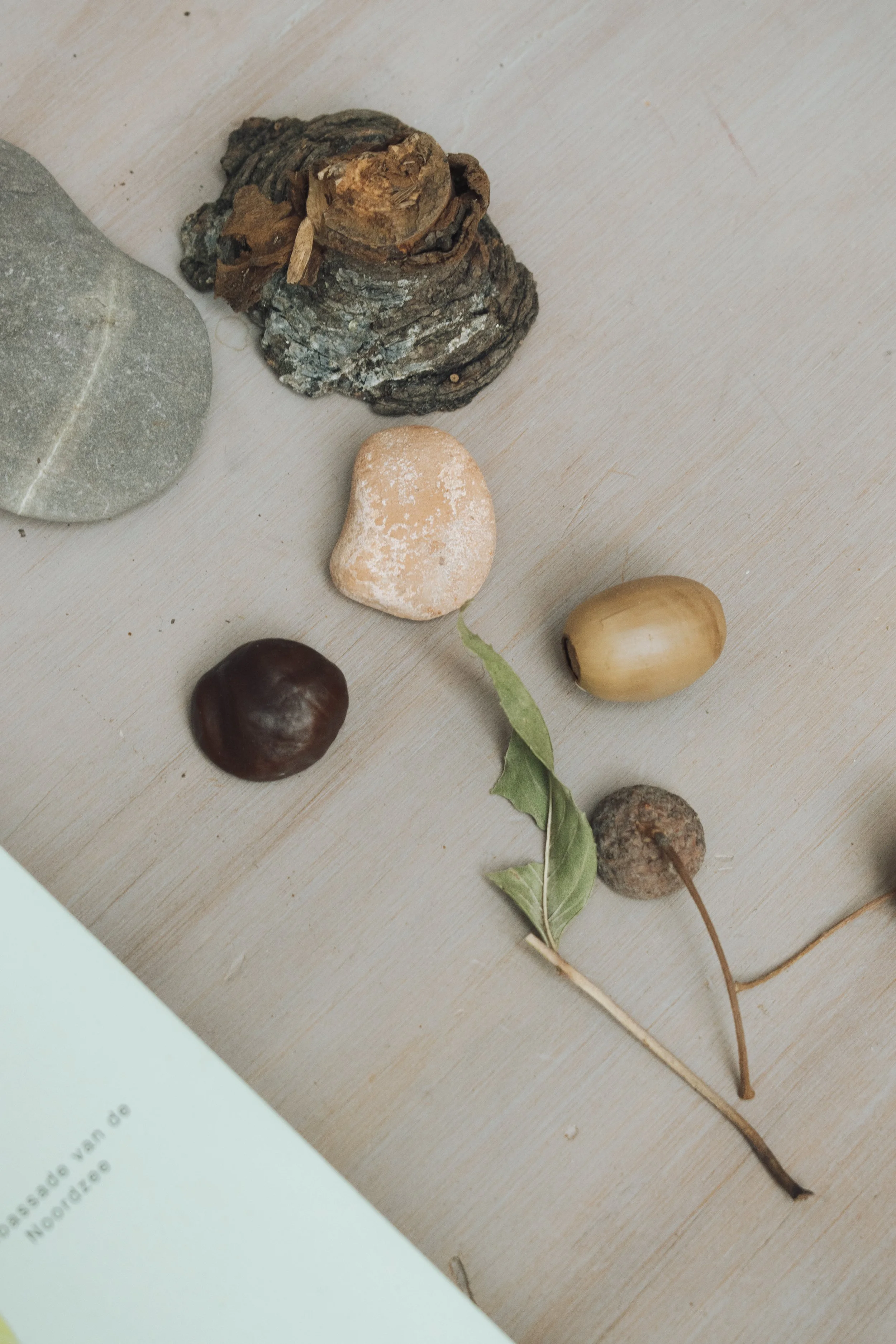
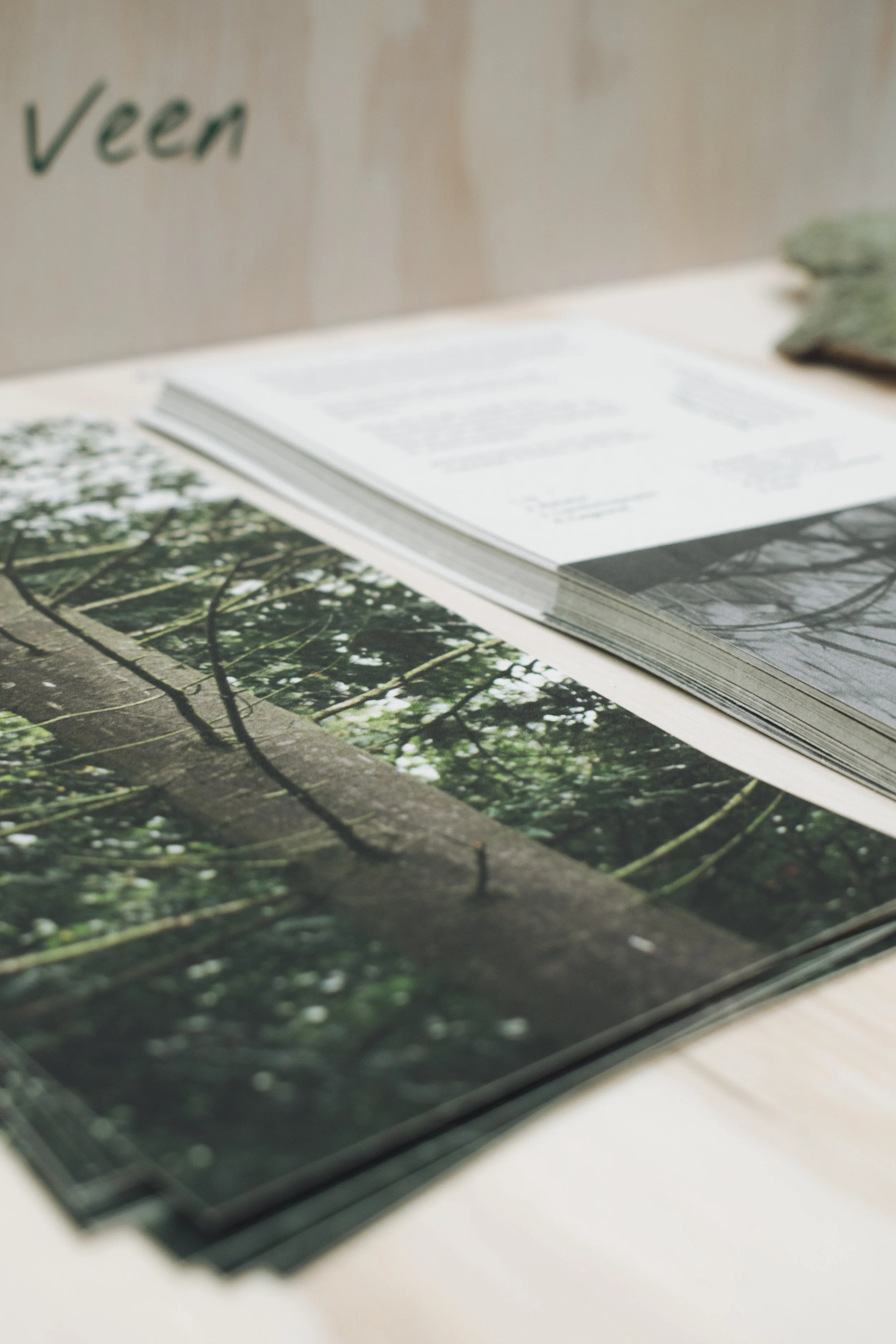
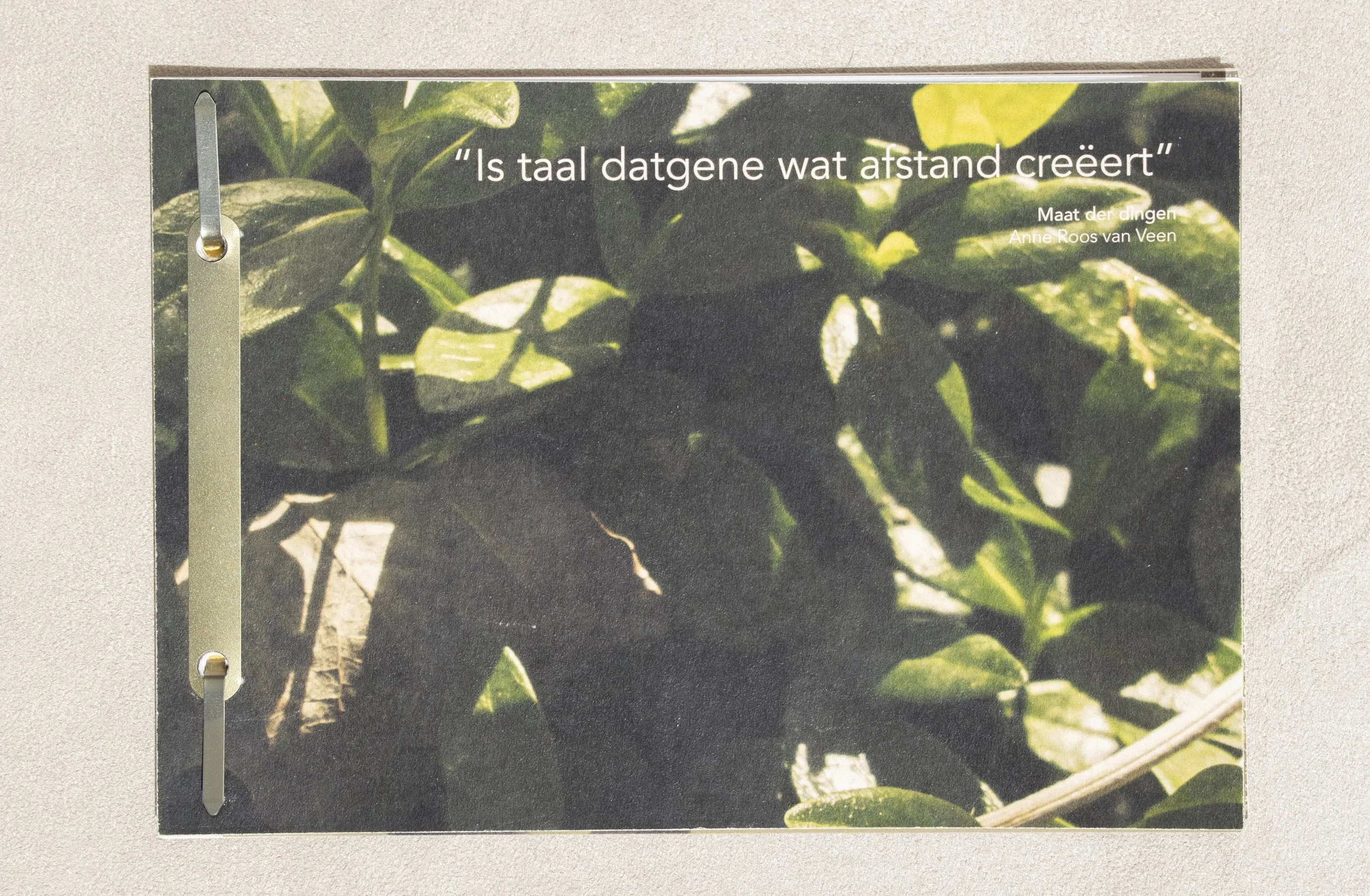
In dit boekje (in het Nederlands) vind je ruimte om zelf ringen te tekenen, samen met foto’s van mijn onderzoek en de gebieden die ik hiervoor heb bezocht, begeleid door teksten en observaties.
EN:
You can explore the booklet (in Dutch), featuring spaces to draw your own rings, alongside photographs from my research and field visits, accompanied by written reflections and observations.
€20,-
2026